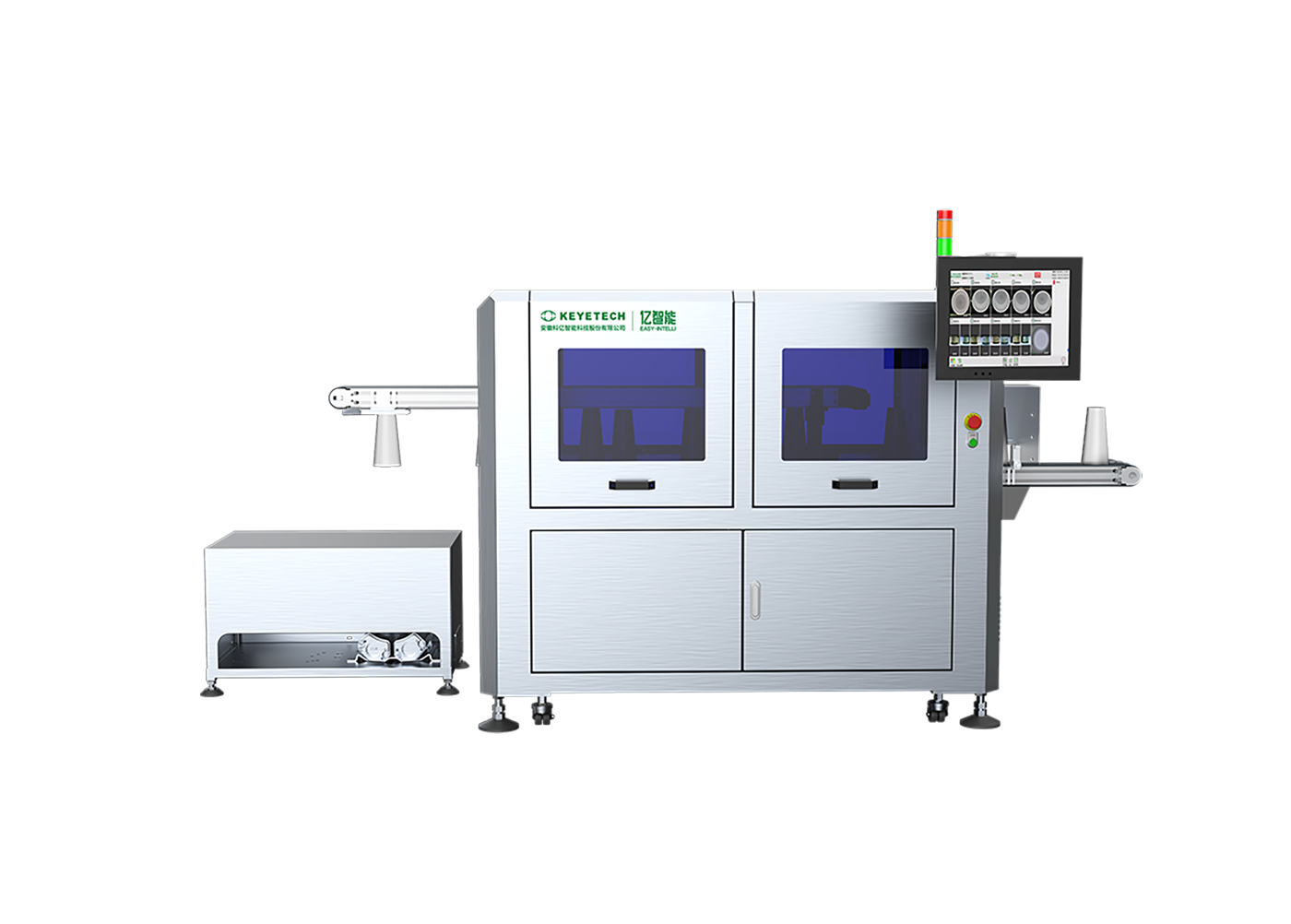
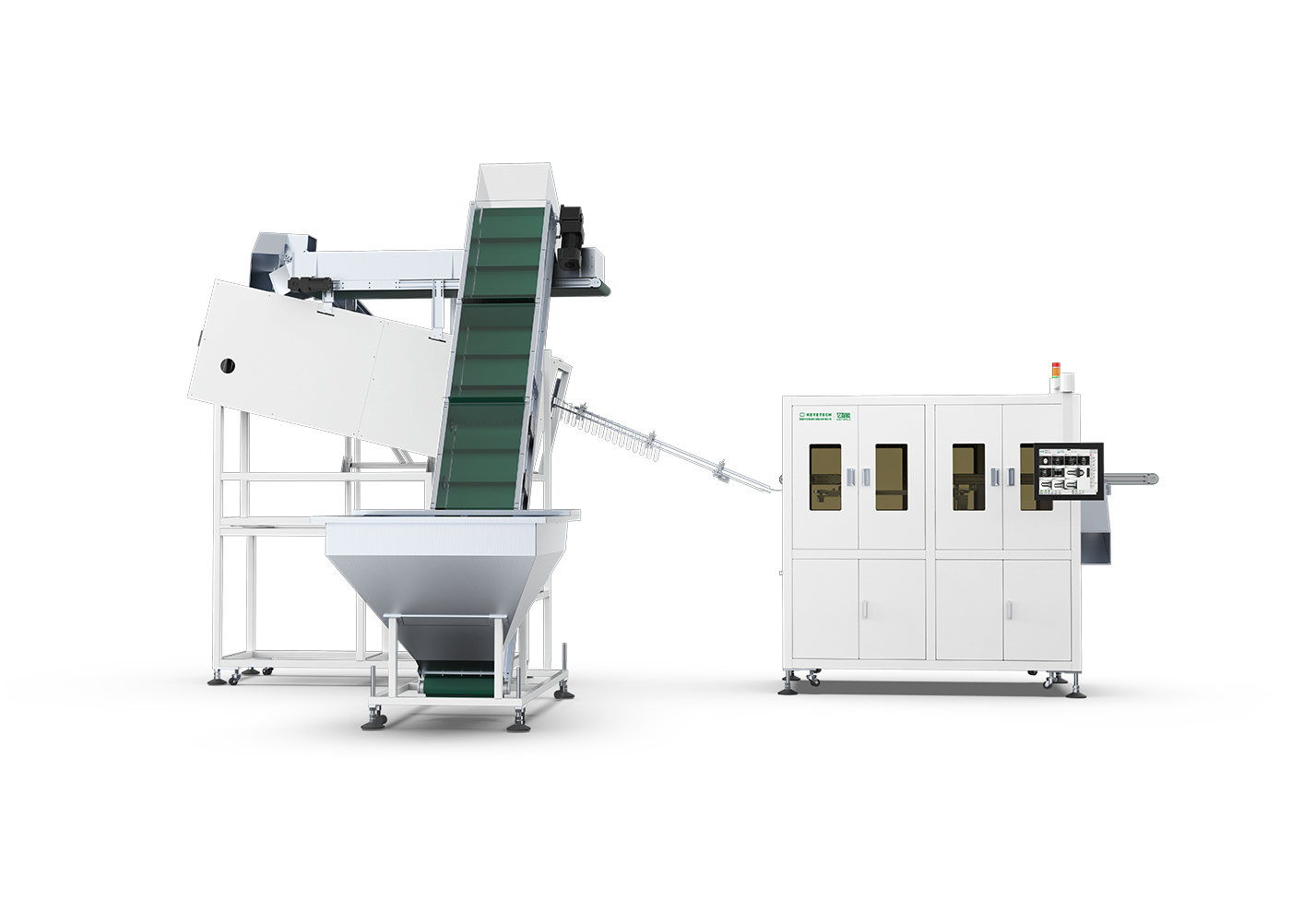
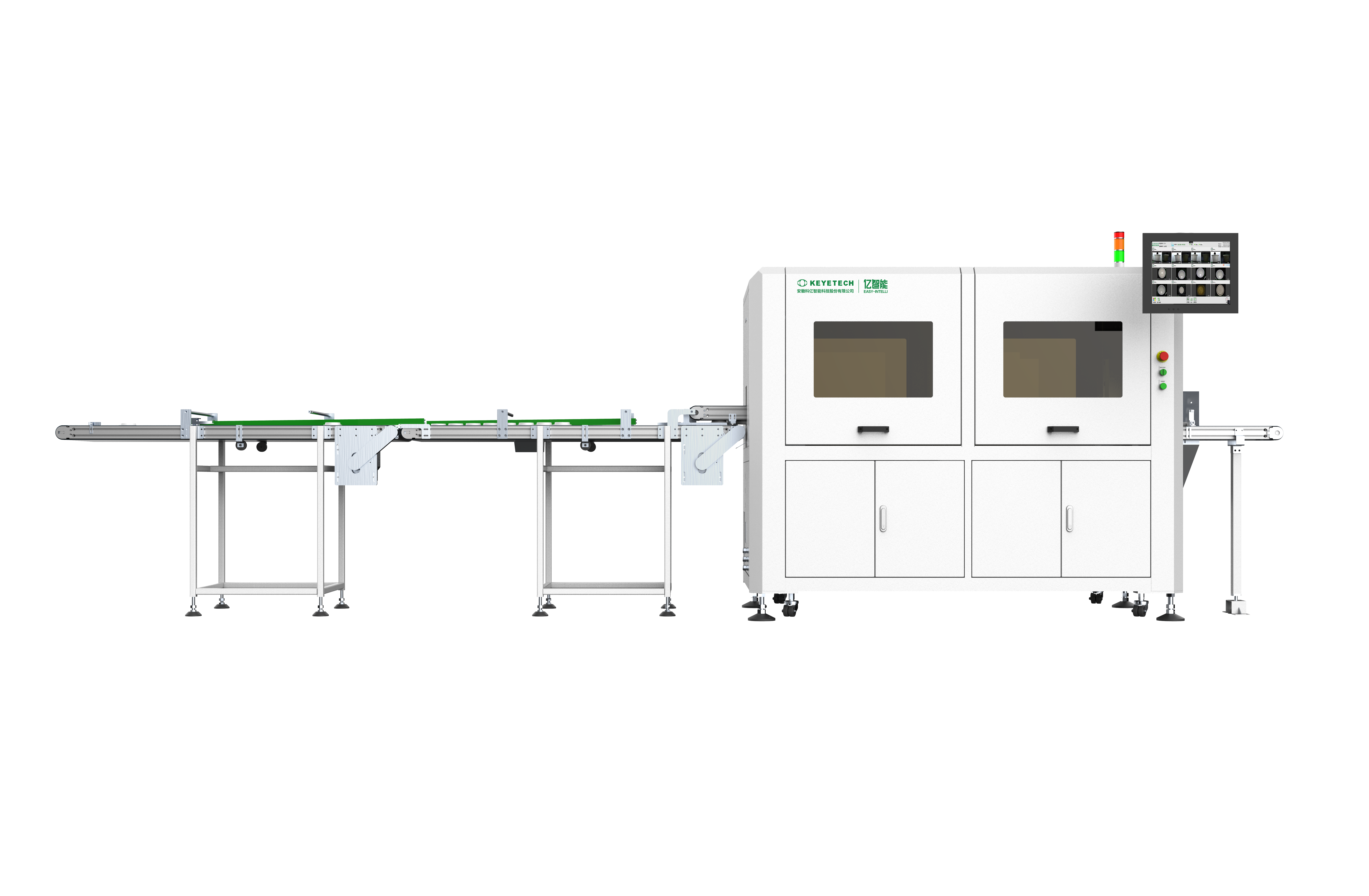
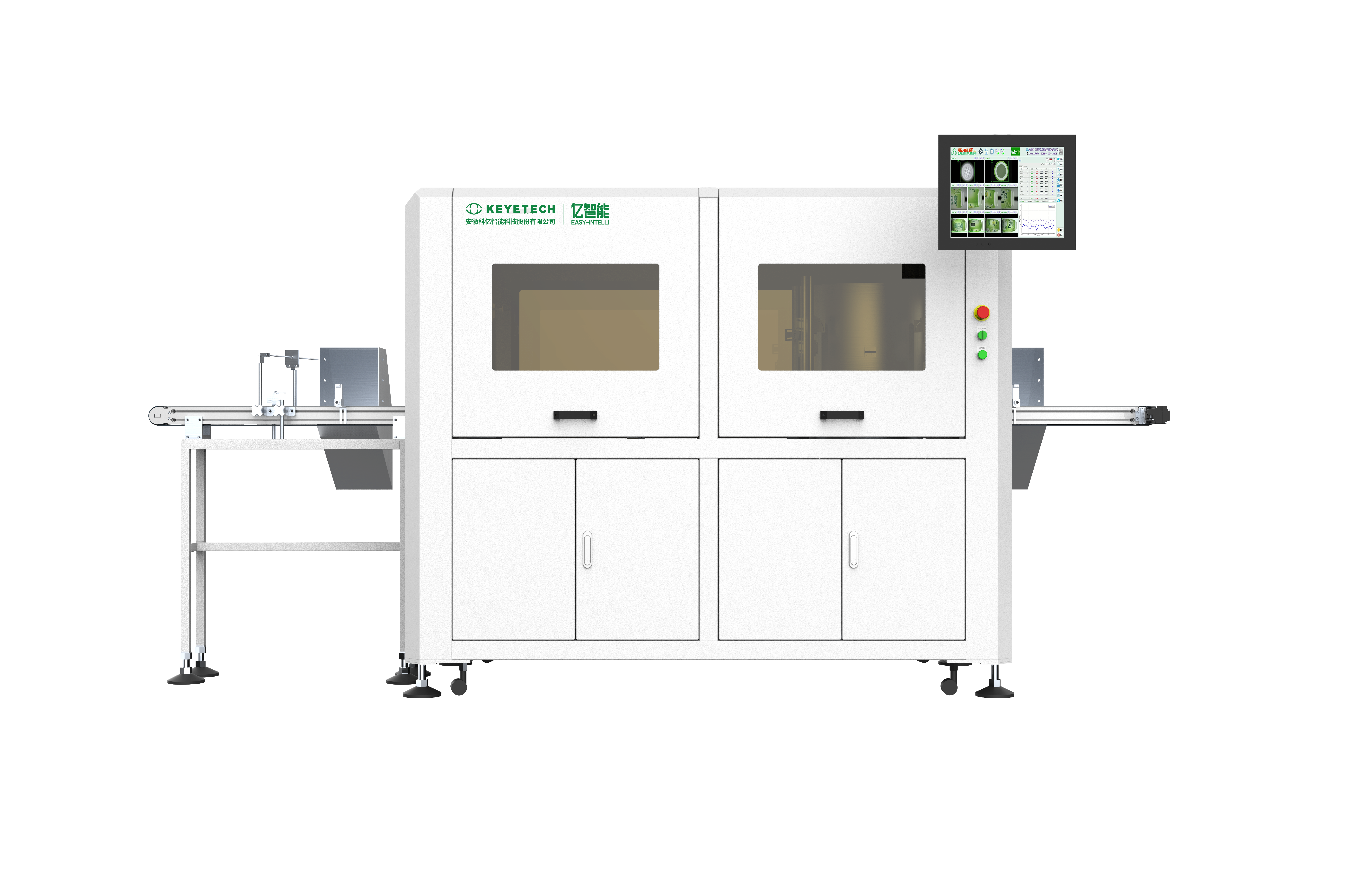
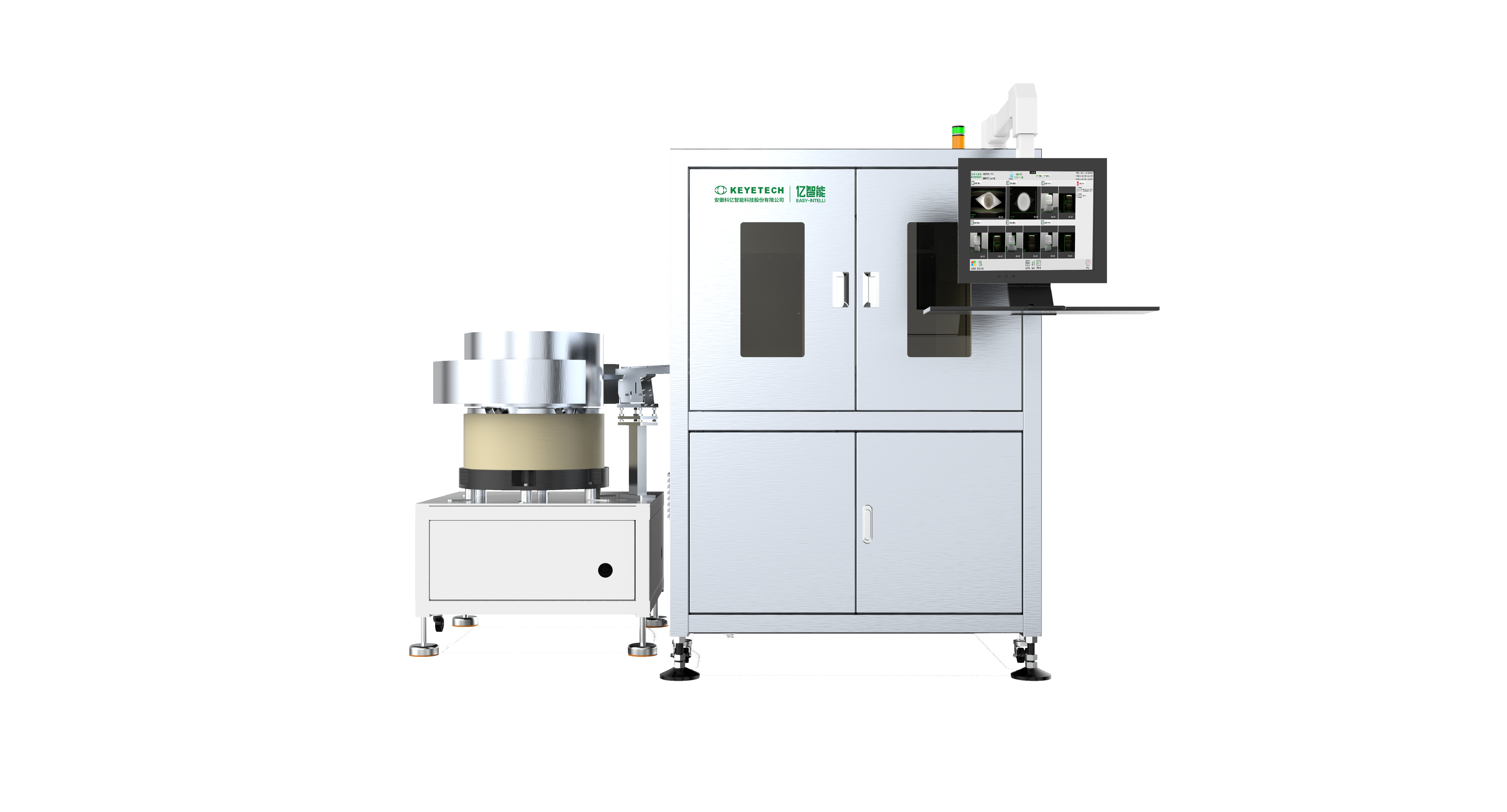
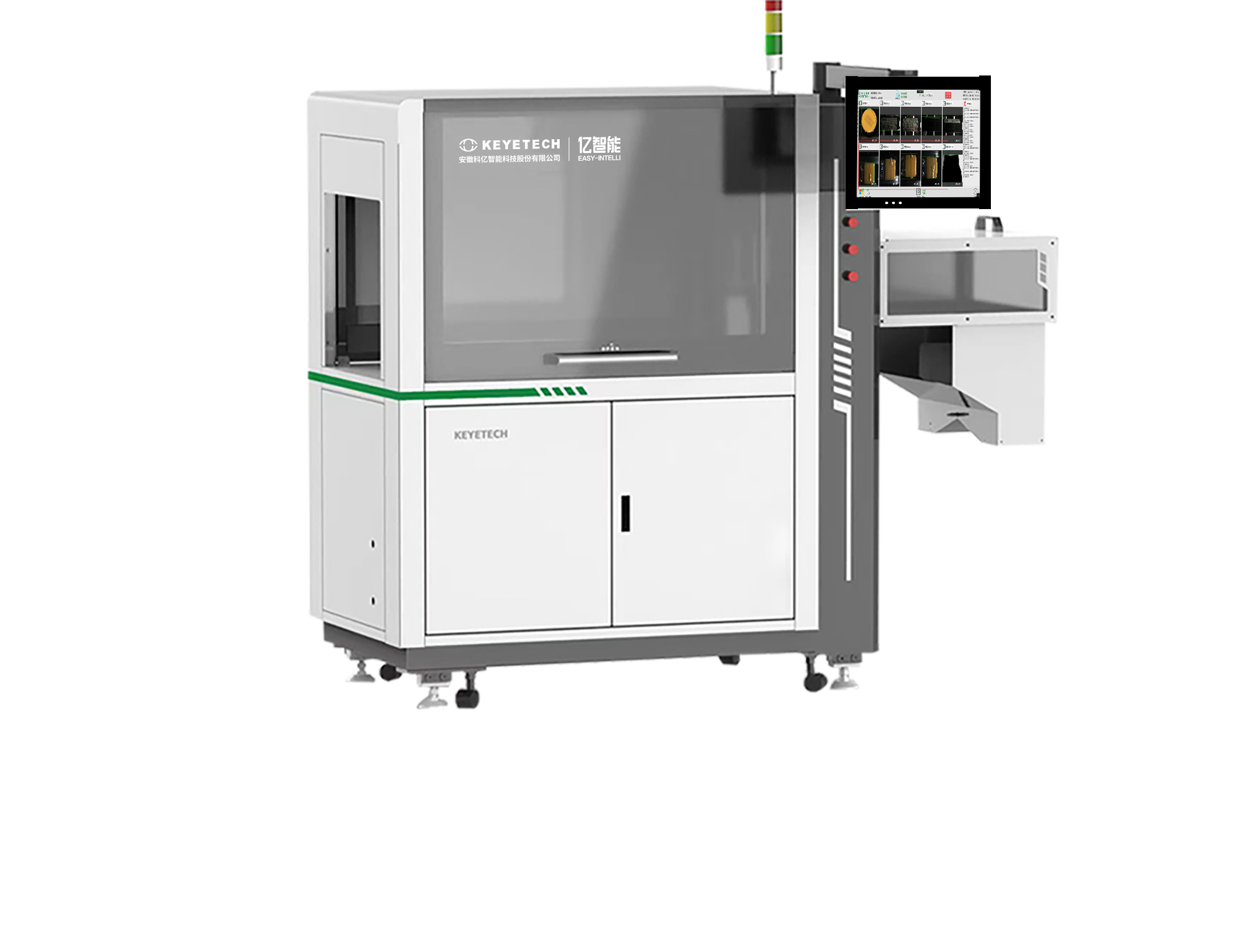
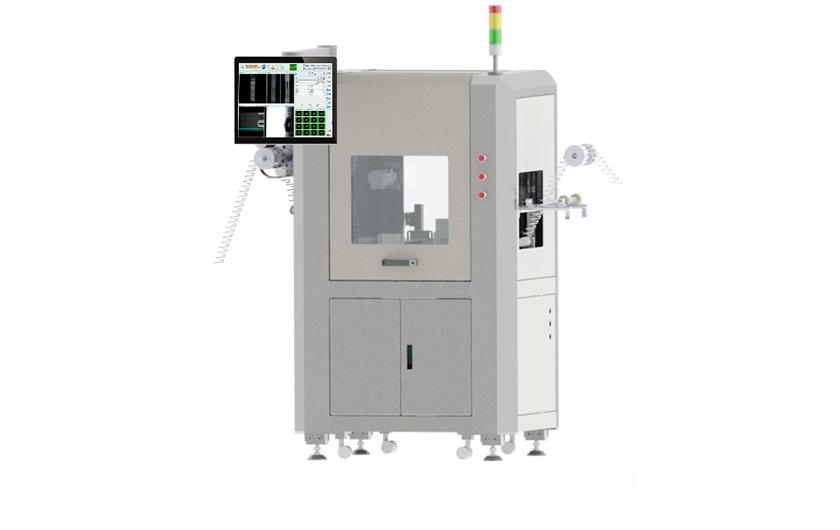
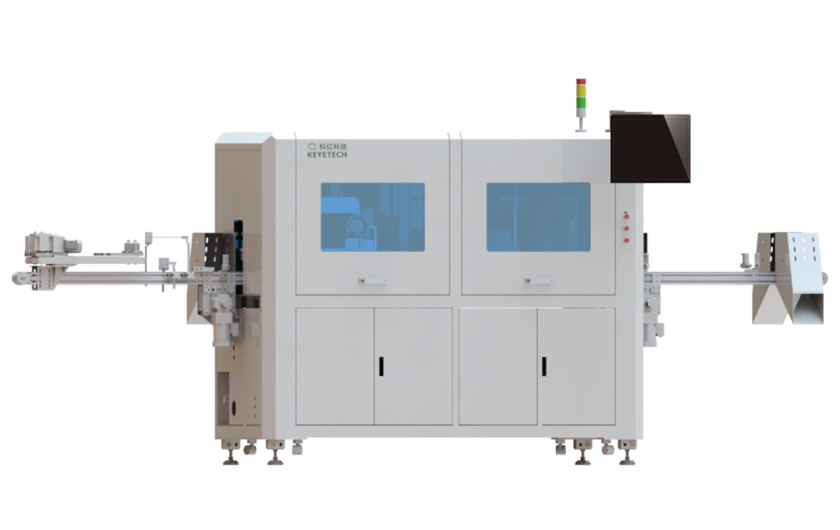
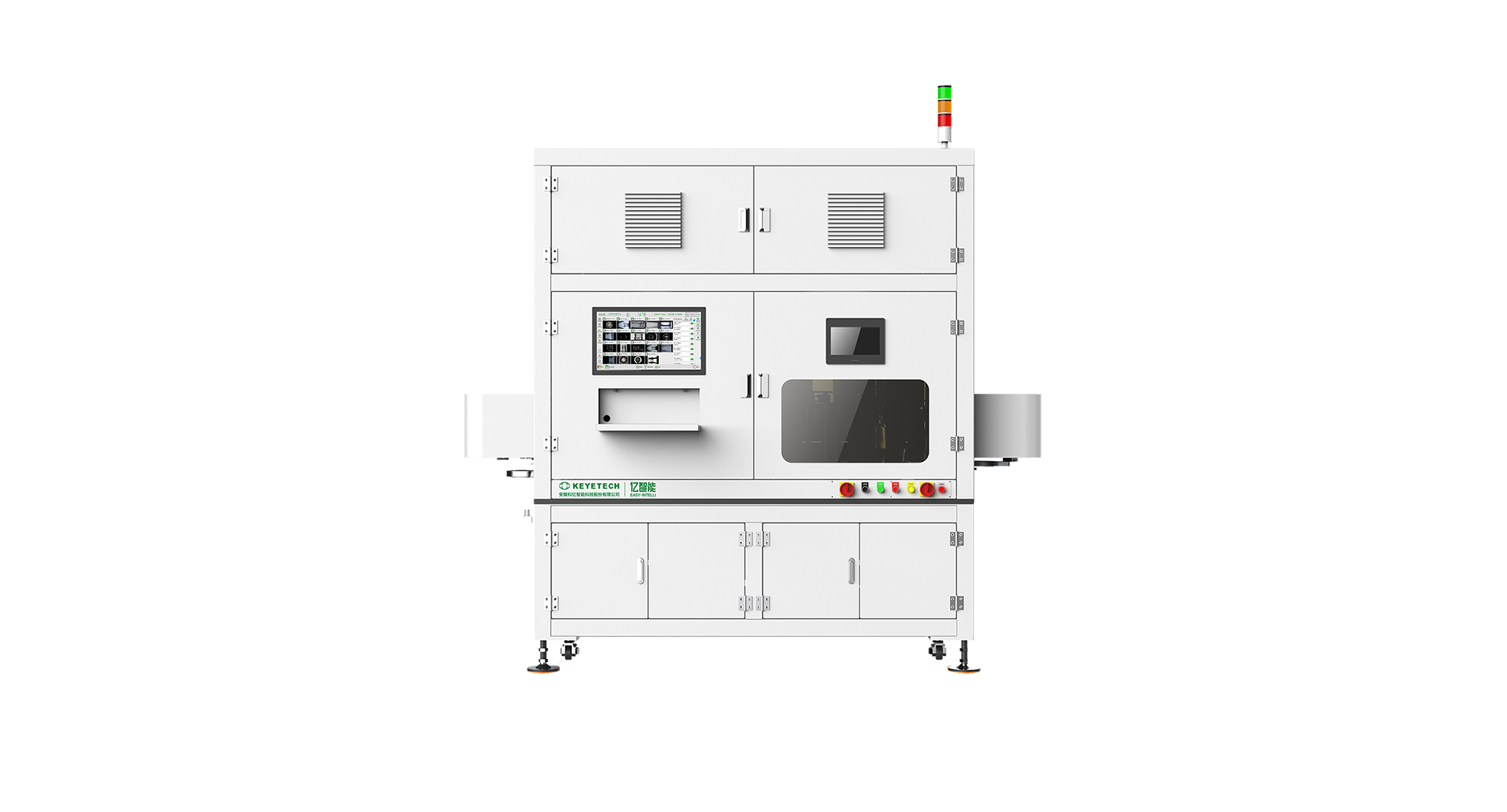
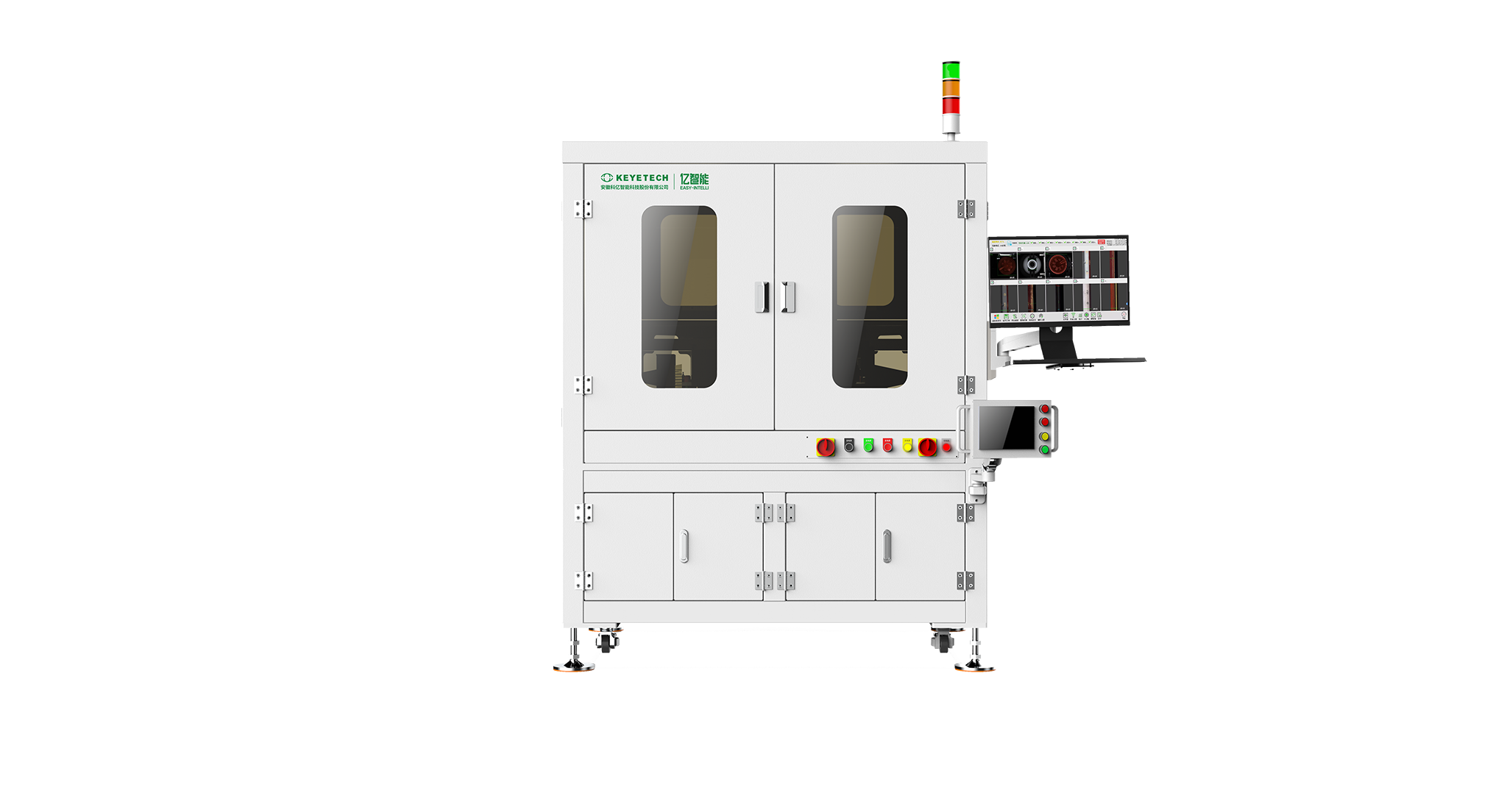

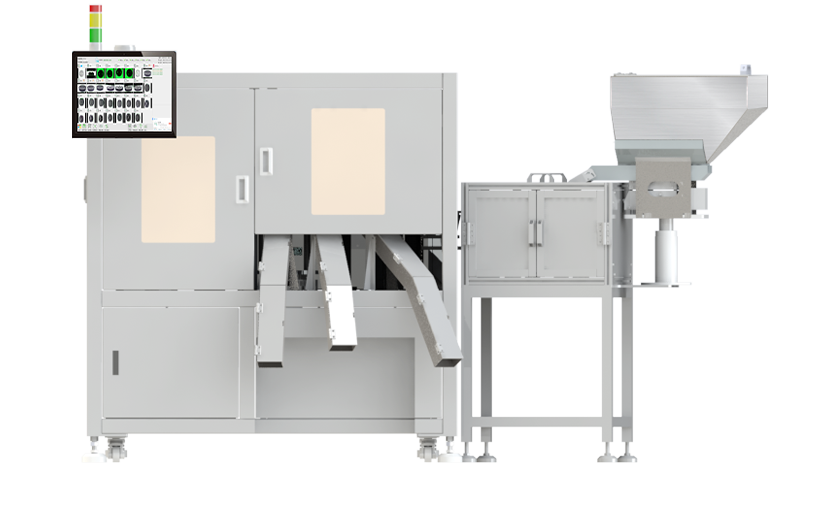
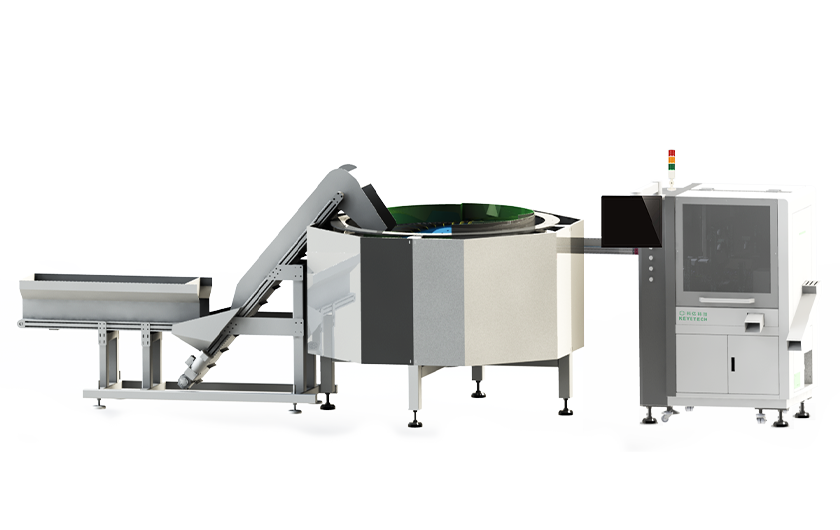
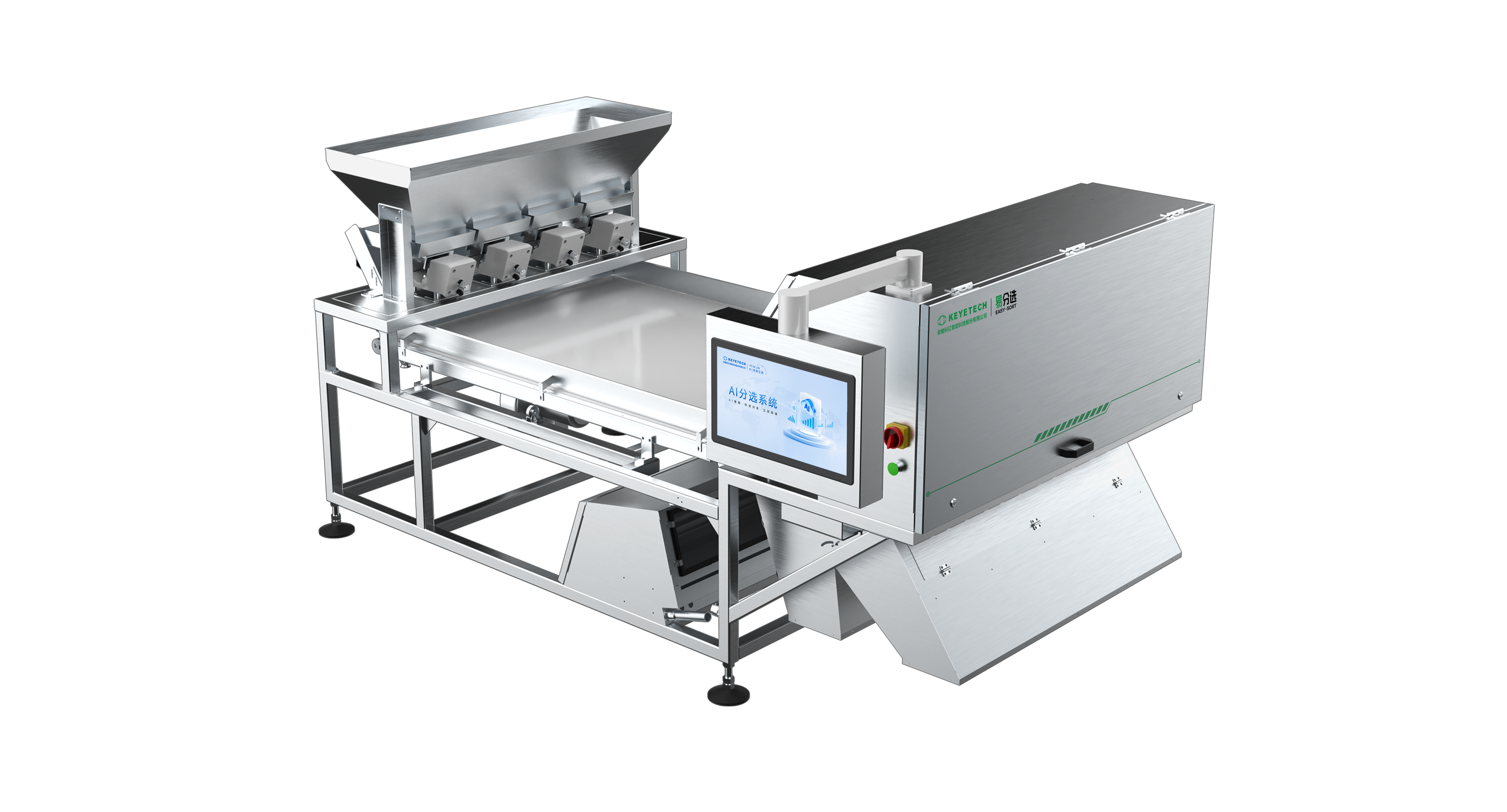
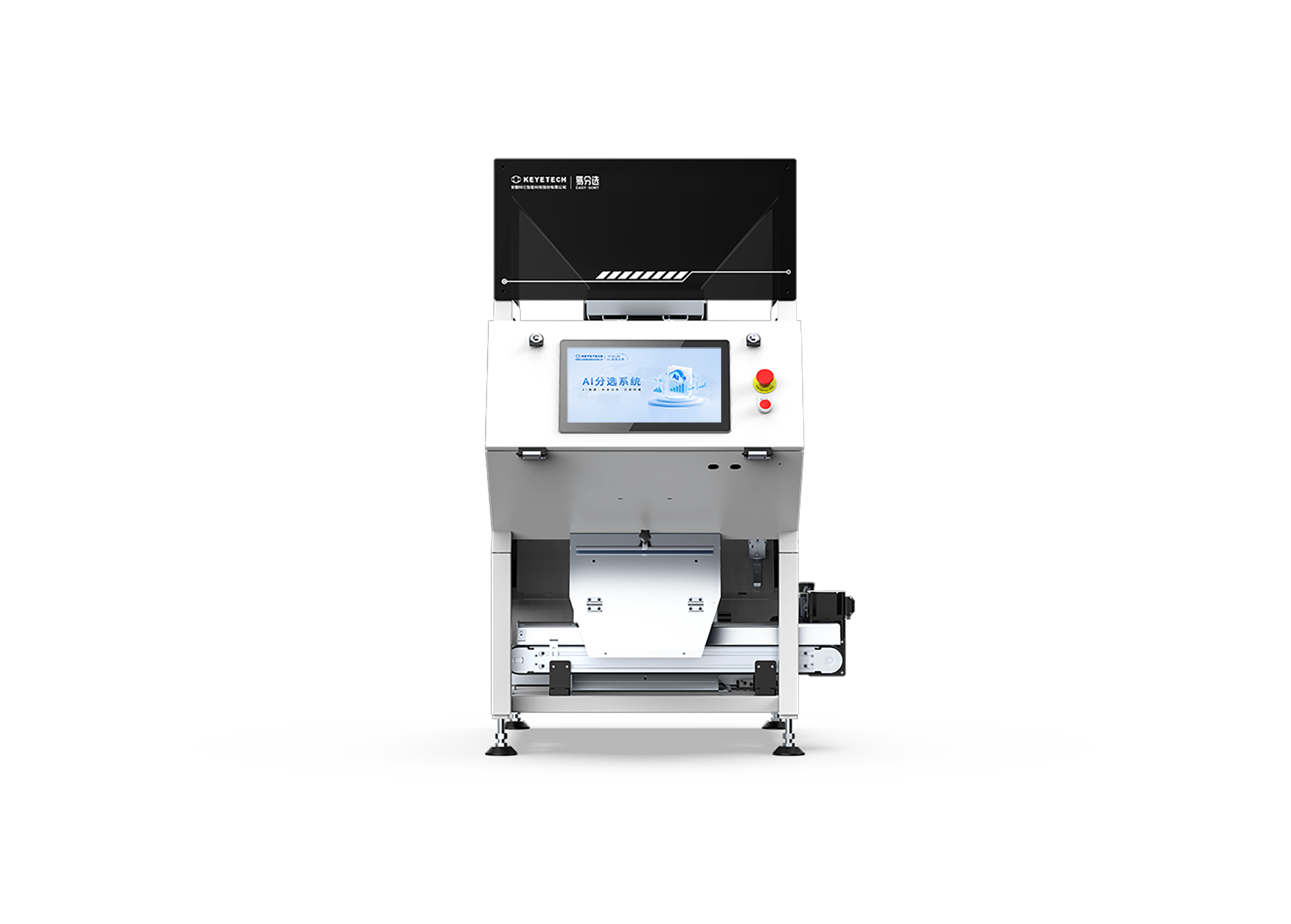
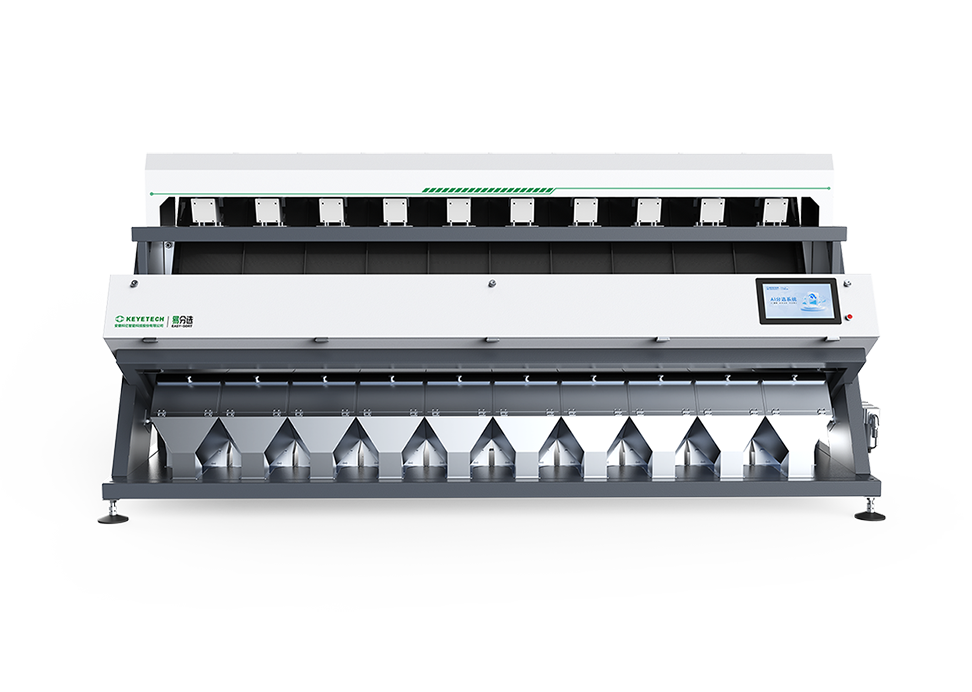
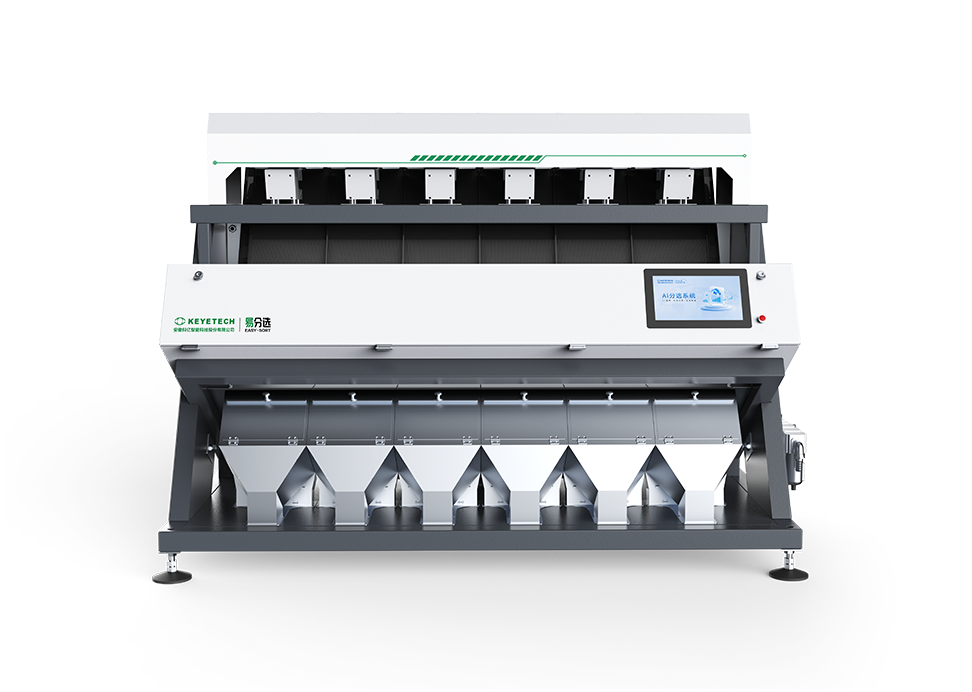
The thirteenth "Technical Training Report Card" has been completed!
Date:2026-08-27 Views:530

After each offline training session,
one question always arises: What exactly is Anhui Keyi "teaching"?
On the day the thirteenth training session concluded, the answer didn't appear in our summary PPT, but rather in the notebooks filled with key points written by the trainees, in their fingertips repeatedly operating the equipment, and in the "technical answer sheets" we collected.
Question 1
The proposition comes from a real production line.
"Product appearance defects are incredibly varied. Every time standards change, the testing models have to be retrained, and our two or three employees simply can't handle it all."
This is a direct quote from a food packaging factory's customer training session, which we used verbatim as the first "test question" in this training session. We "moved" this real production line into the training workshop—the trainees had to solve the very problems our customers would face tomorrow.

Question 2
There were no standard answers on the students' answer sheets.
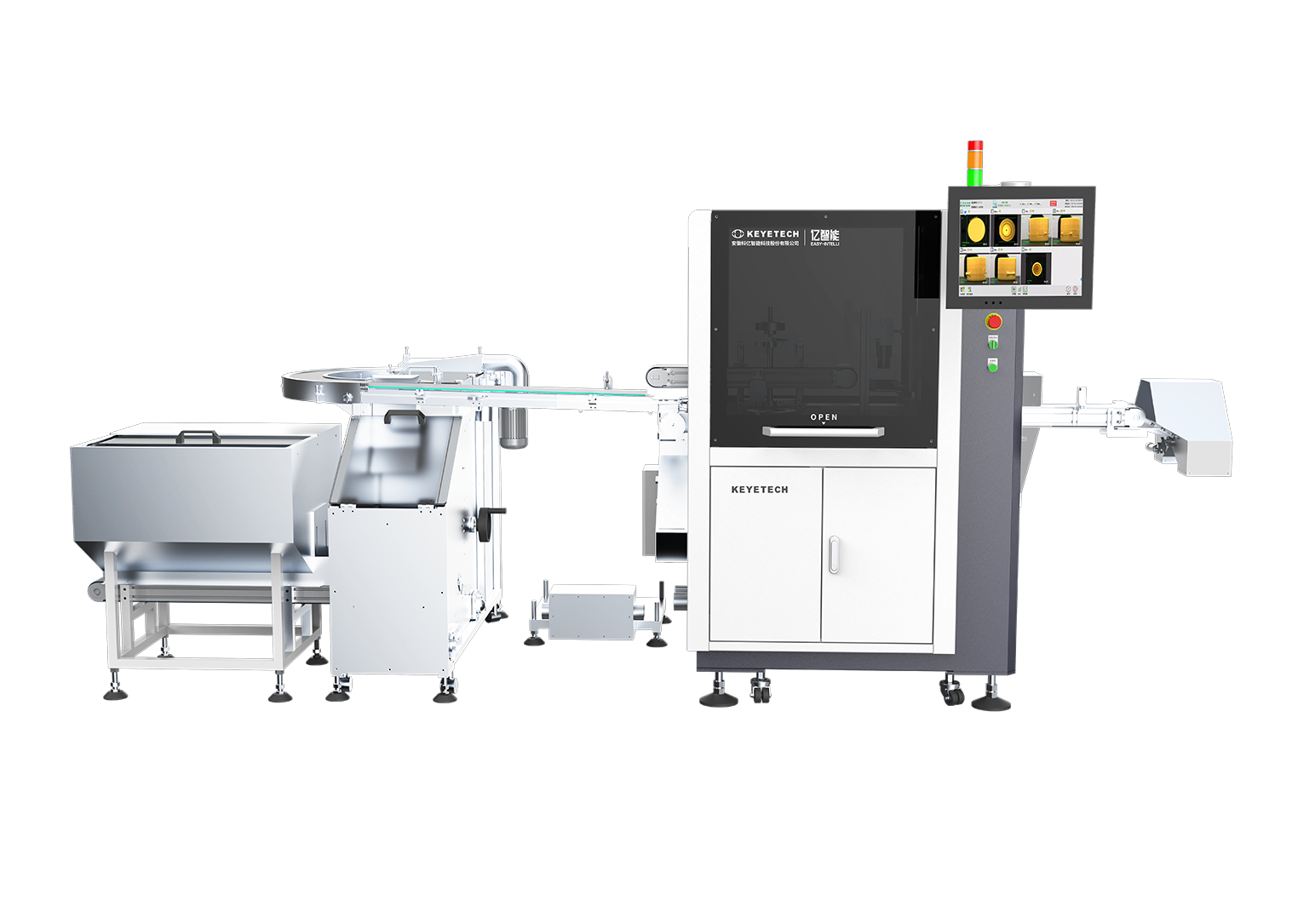
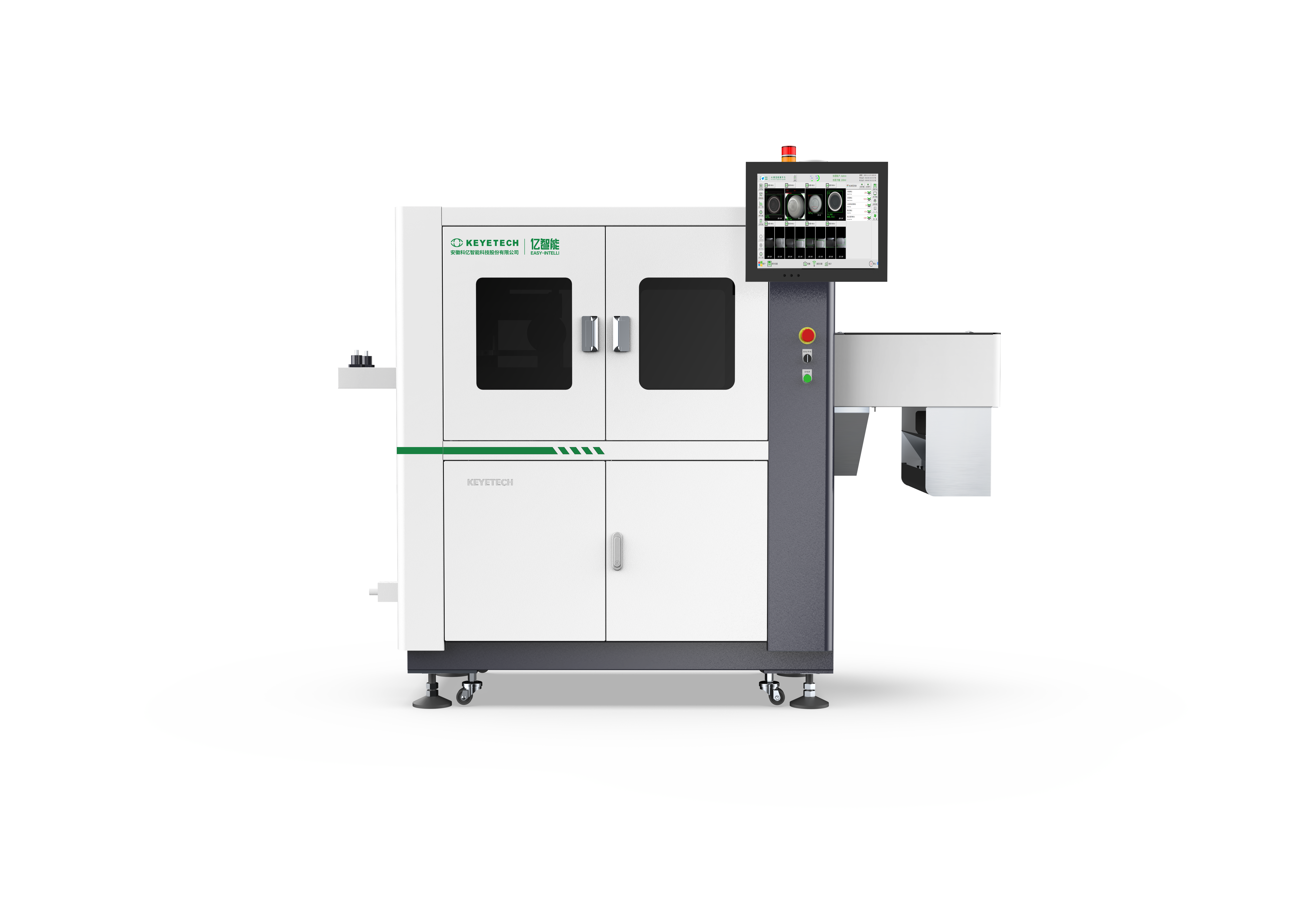
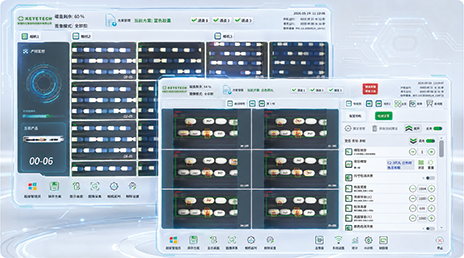
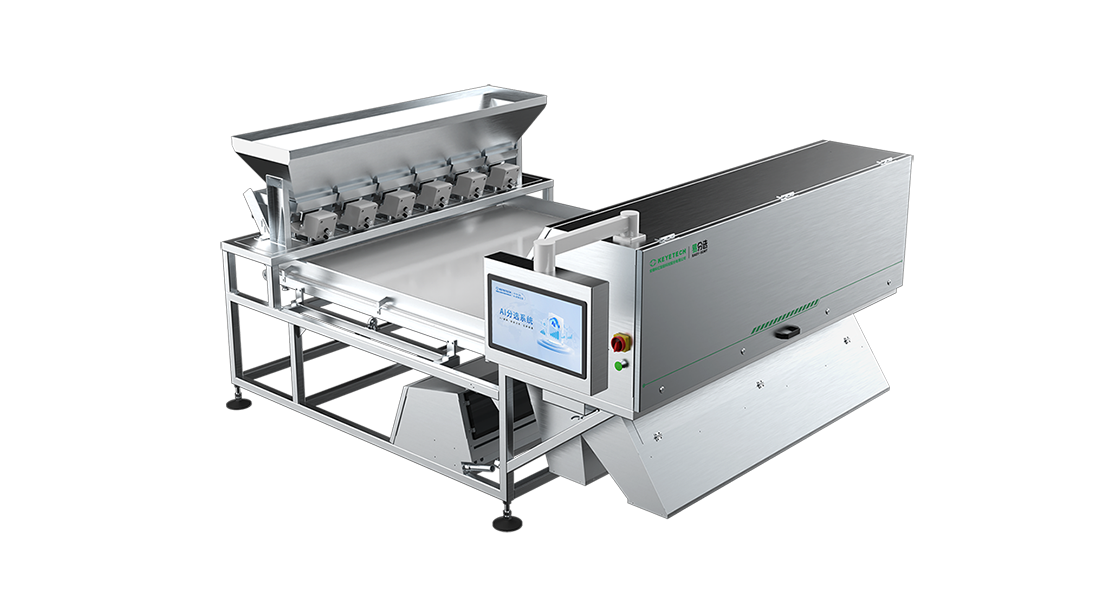
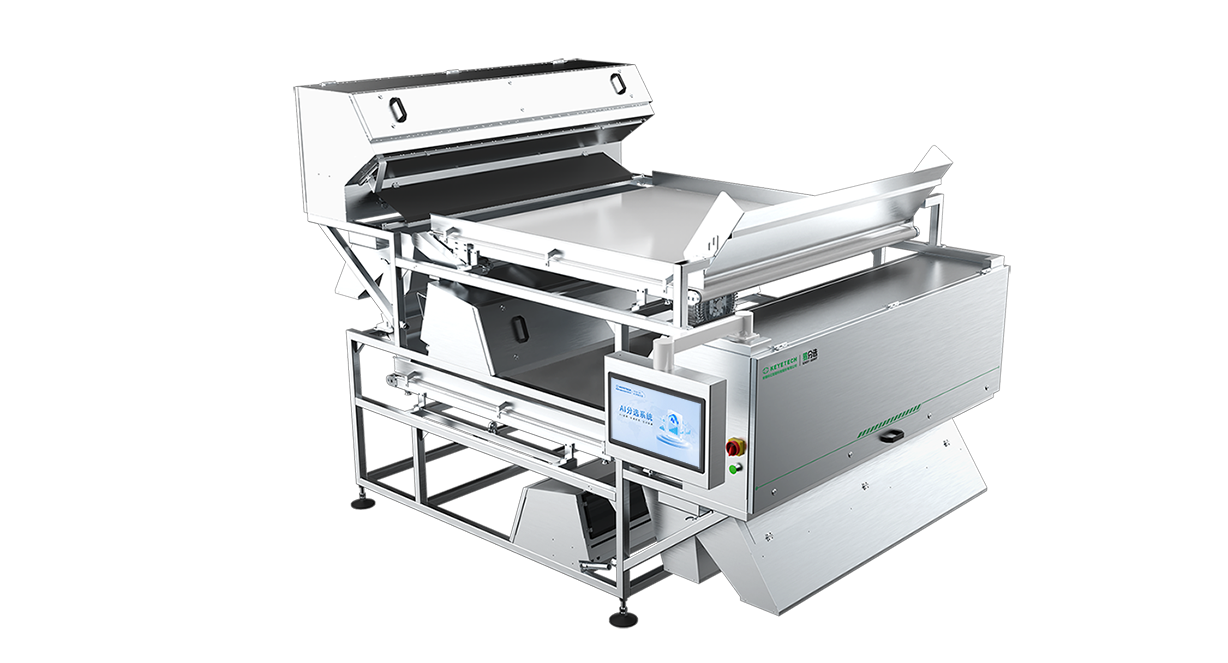
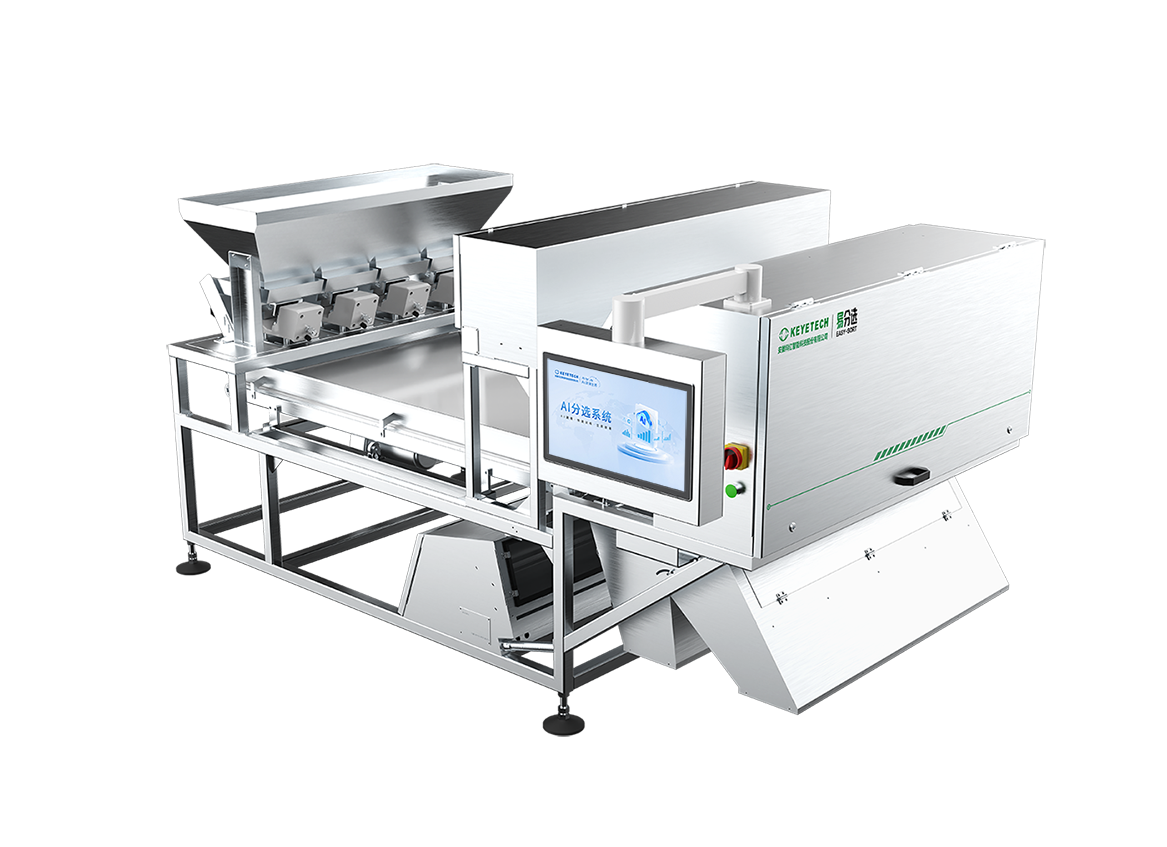
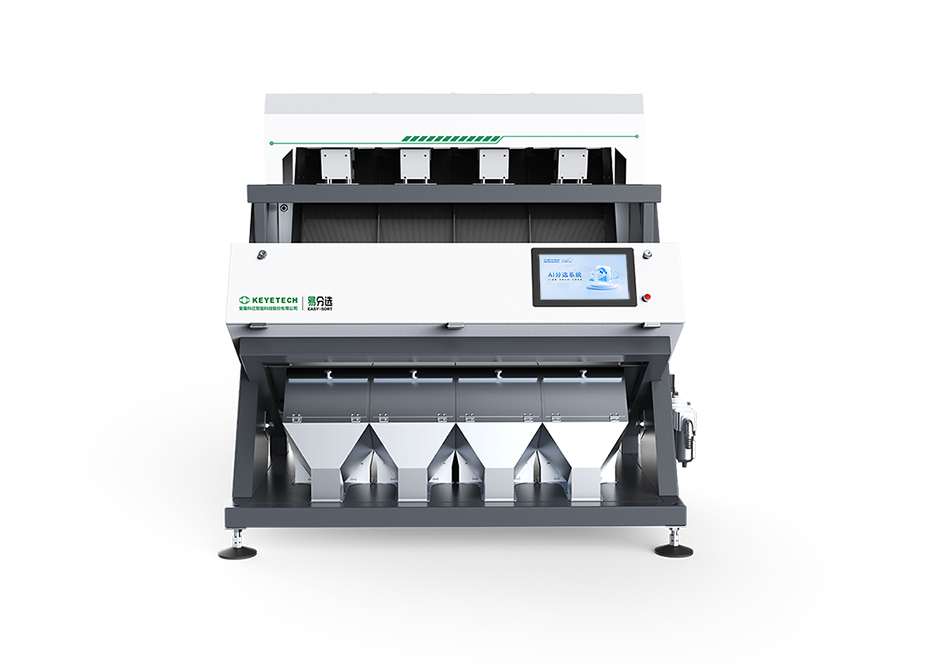
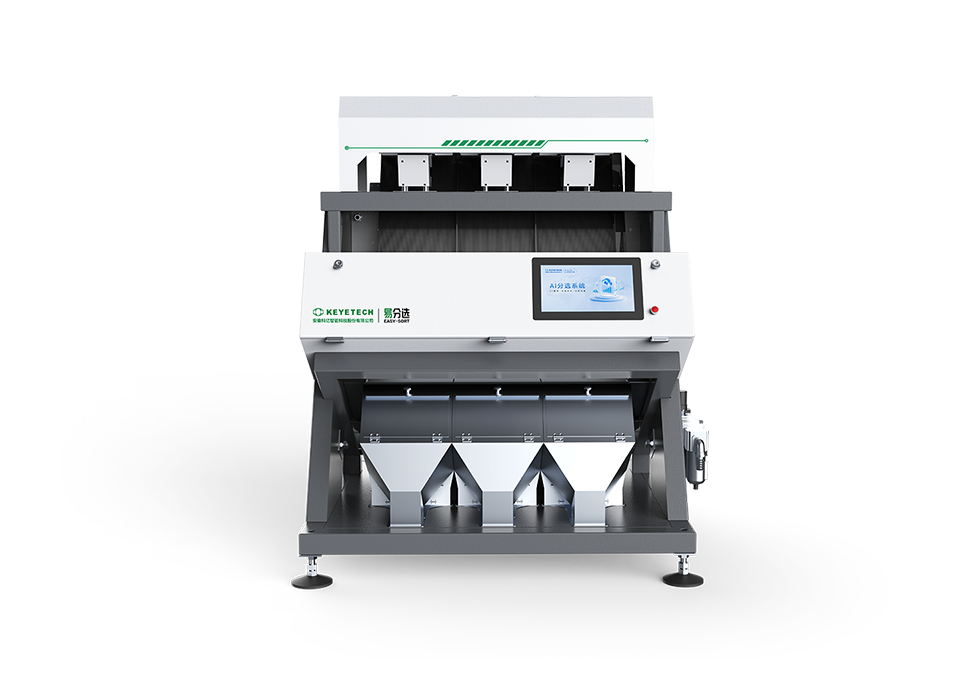
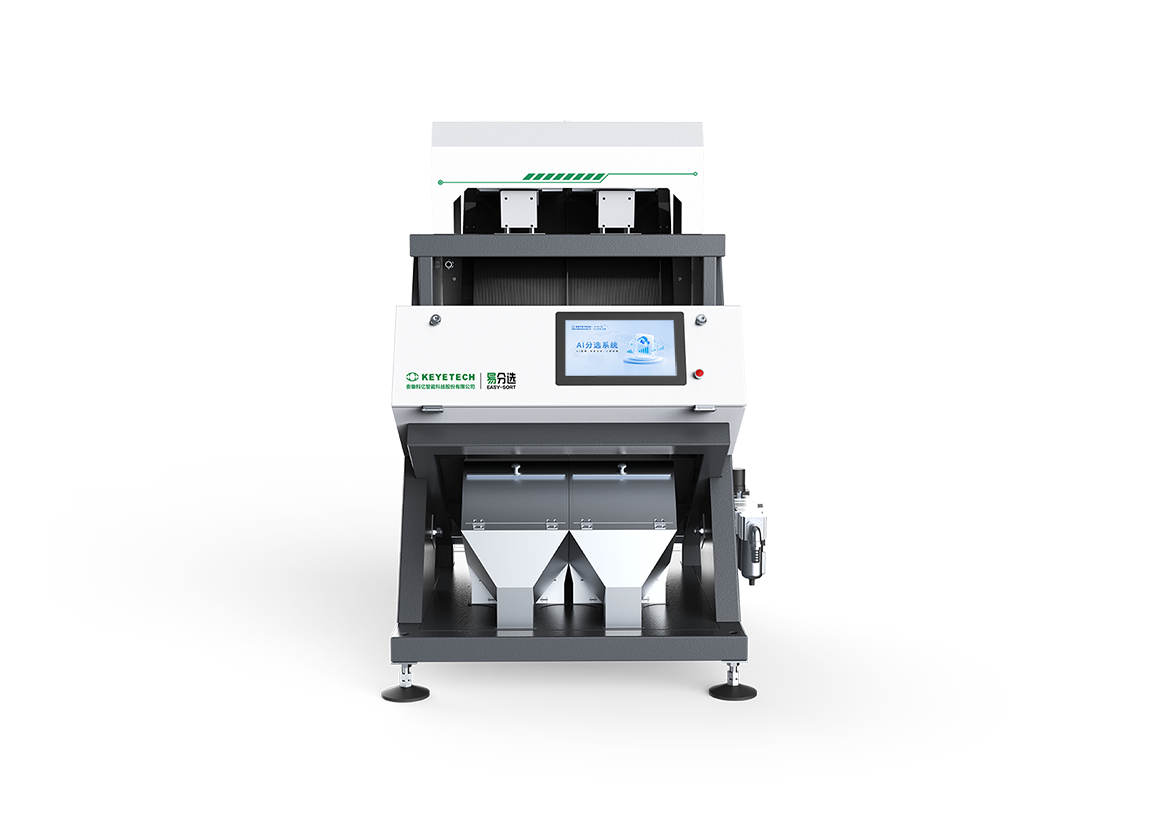
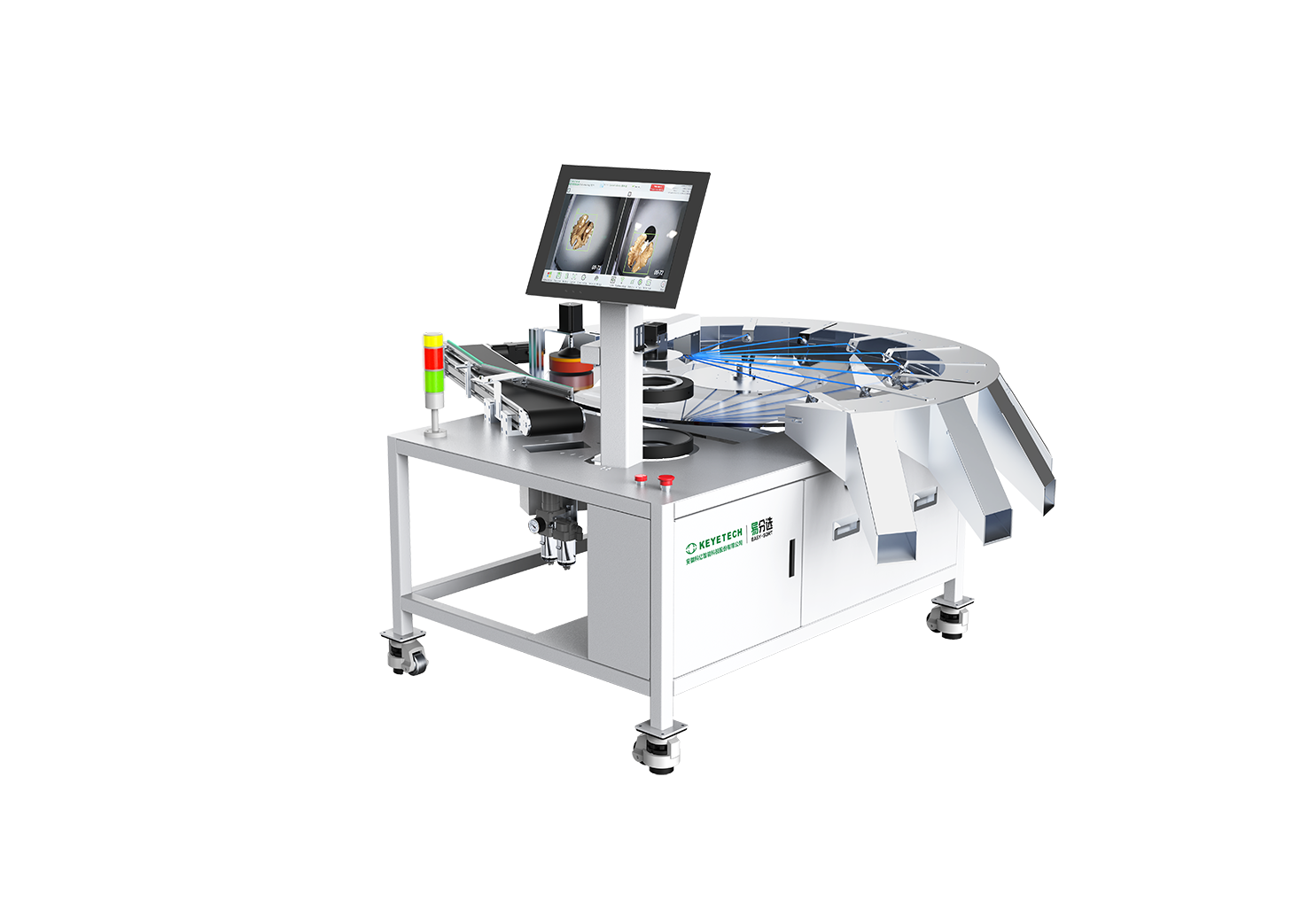
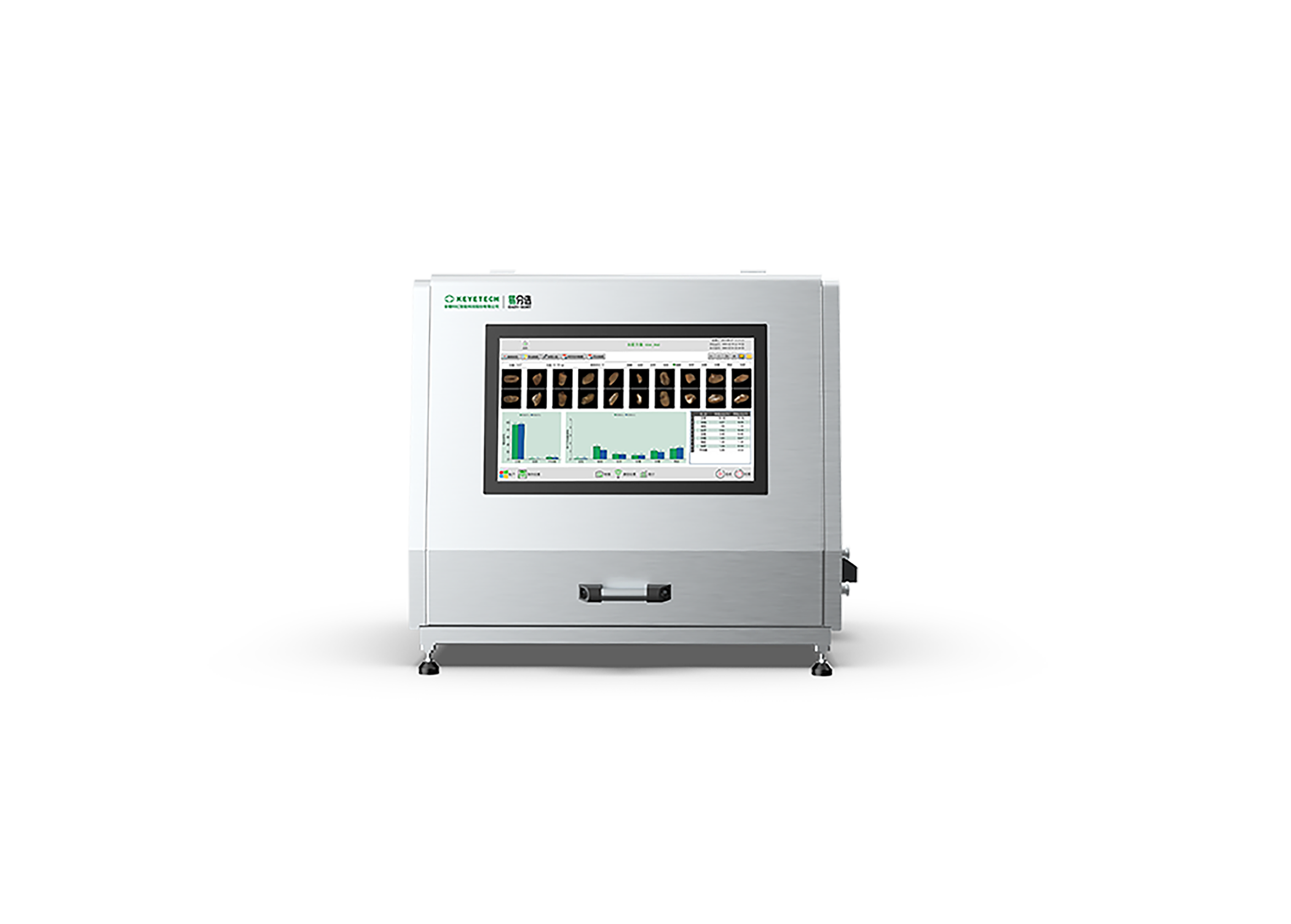
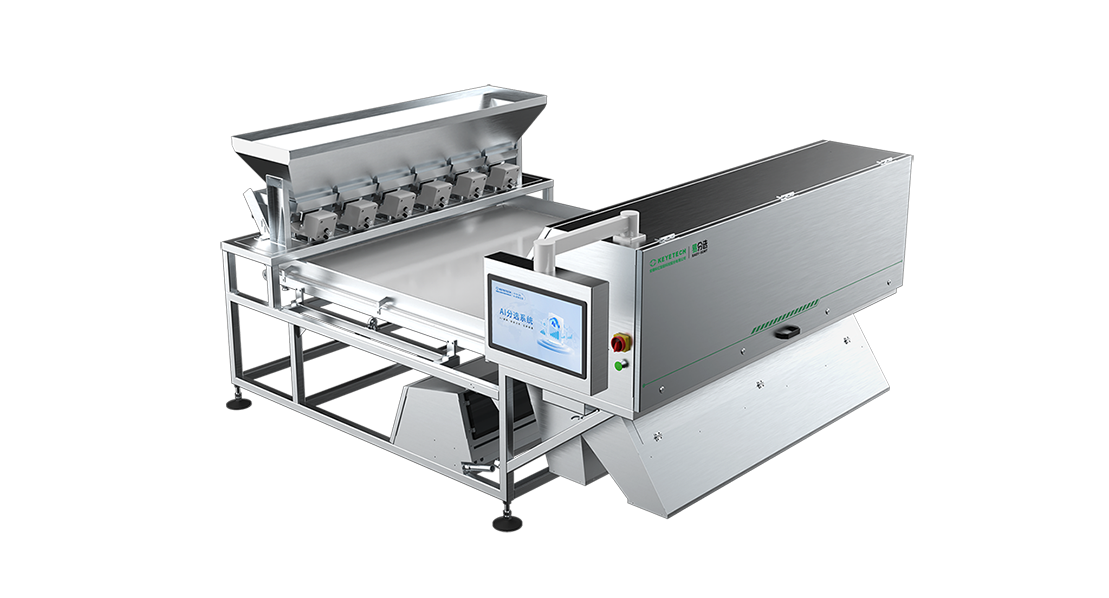
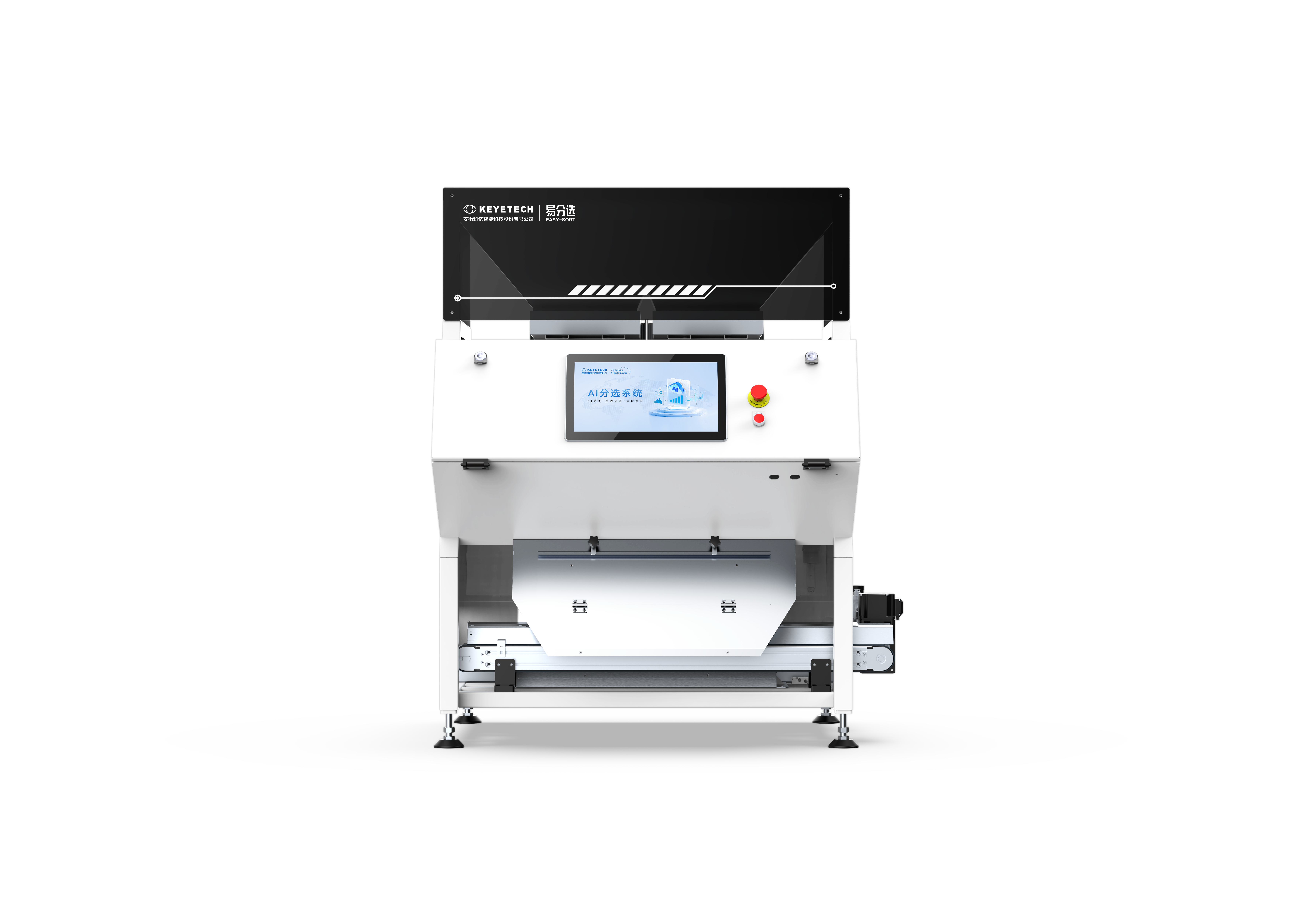
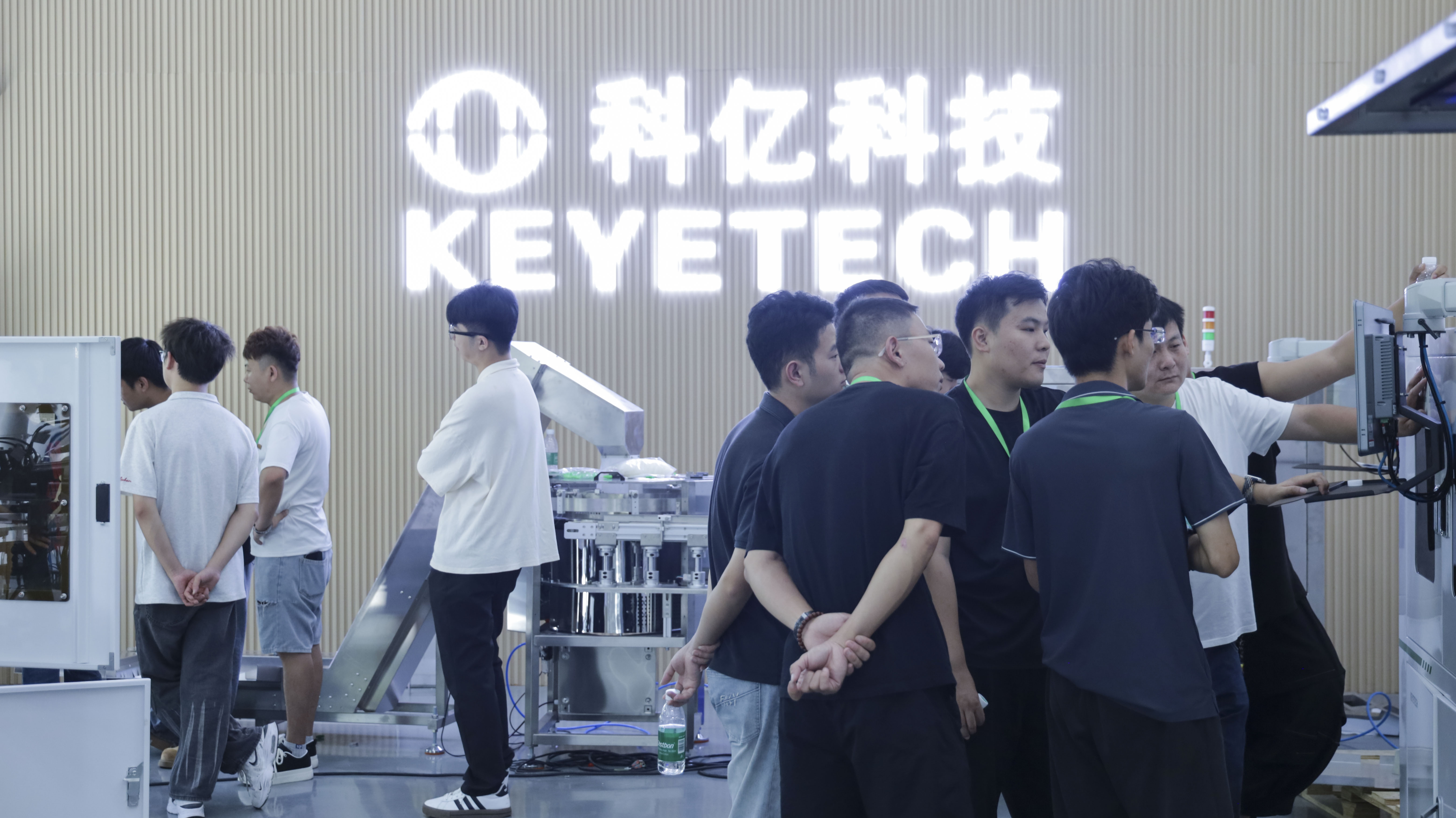
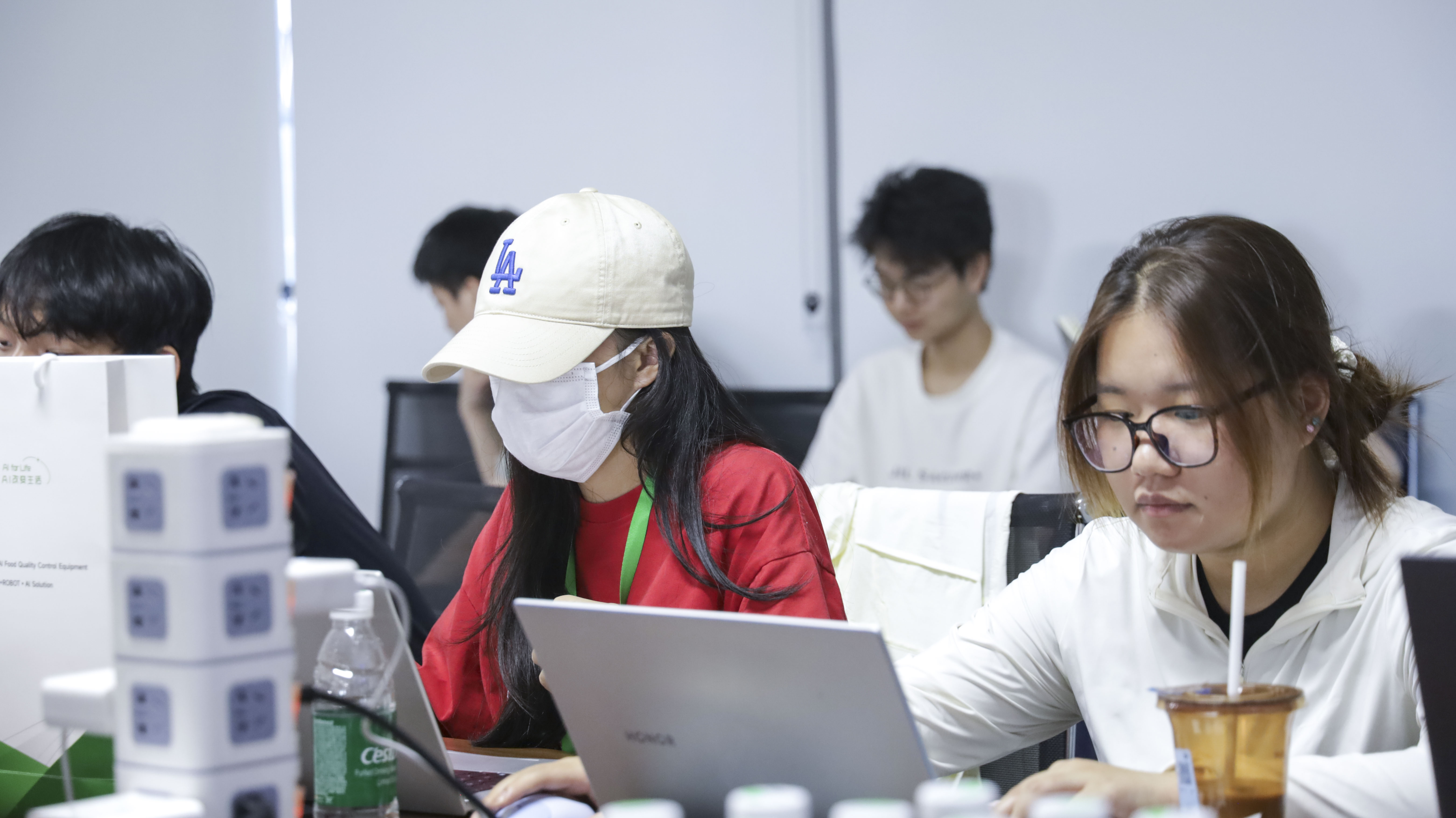
During the four-day training, students from all over the country gathered around multiple AI vision inspection machines and laptops to practice problems:
Someone personally calibrated the camera for the first time, reducing the production line's false detection rate from 8% to 0.1%;
With the teacher's guidance, some people were able to run a model iteration that would have taken several days in just 2 hours;
Some people even sent the model solutions from the classroom back to the factory that very night, solving the problem of the production line that was about to shut down.
Some people repeatedly adjusted the camera angle, while others filled notebooks with questions from three days' worth of work. Their answers weren't perfect, but simply summed up in three words: usable, easy to use, and ready to use immediately.

One student's words:
I used to think that AI quality inspection was an engineer's job. But after training the model myself and stopping the defects, I truly understand what it means to have the technology in my own hands. —Thirteenth cohort of students
Question 3
Why did Anhui Keyi persist in running thirteen sessions?
Some people ask, isn't online live streaming more convenient and has a wider reach?
Machine vision is a "hands-on" skill—how the machinery turns, how the lens is adjusted, how defects are marked, and how the system is trained—can never be truly mastered through a screen alone. In our thirteenth cohort, with over 400 students, we held our classes right next to the equipment and solved problems on the production line. From 30 people in the first cohort to a packed thirteenth, the number of participants has changed, but our unwavering dedication to treating our clients' challenges as our own tests remains constant. This isn't just sentimentality; it's Anhui Keyi's steadfast commitment to its vision of "AI changing lives."

The examiner's concluding remarks:
One answer sheet, thirteen echoes
A perfect score on one exam paper signifies mastering the operation of AI visual inspection equipment; thirteen exam papers stacked together represent a group of manufacturers transforming "AI quality inspection" from jargon into everyday practice.
The longer-term impact extends beyond the production line: as more factories can afford and effectively utilize AI visual inspection, the "quality baseline" of Chinese manufacturing is quietly raised.
The thirteenth set of exam papers has been collected.
But Anhui Keyi's "questions" won't stop.
Stay tuned for more exciting developments!