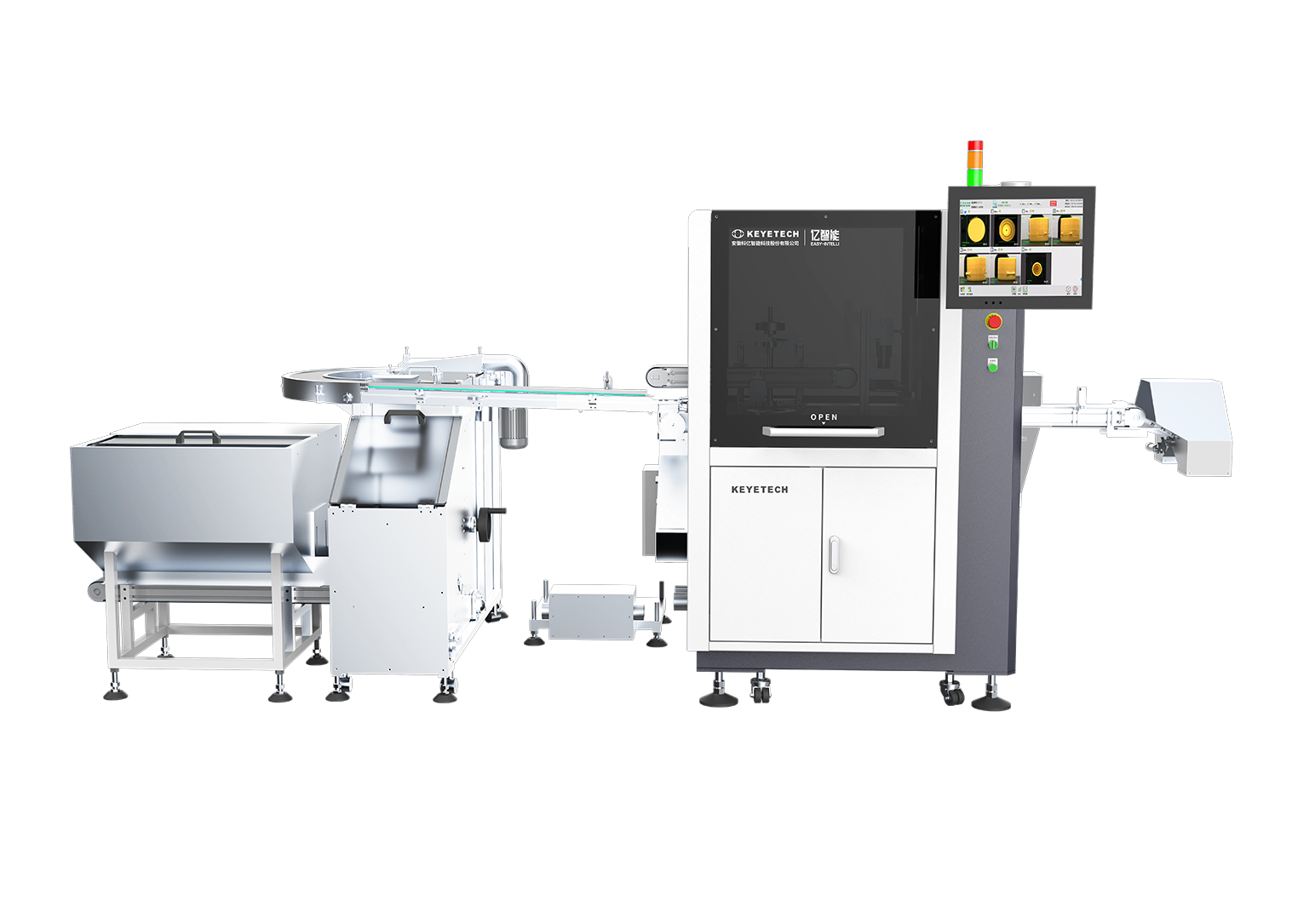
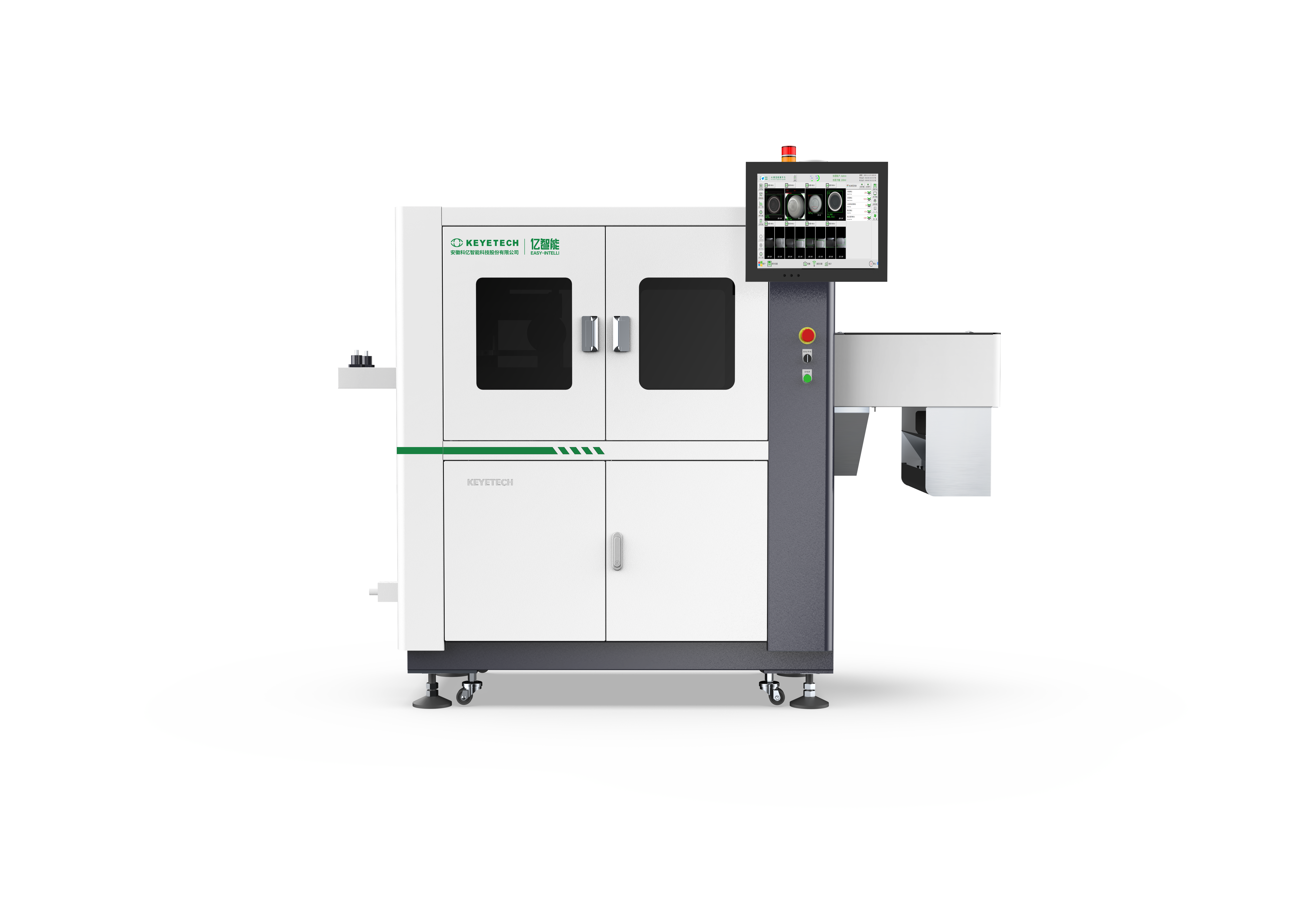
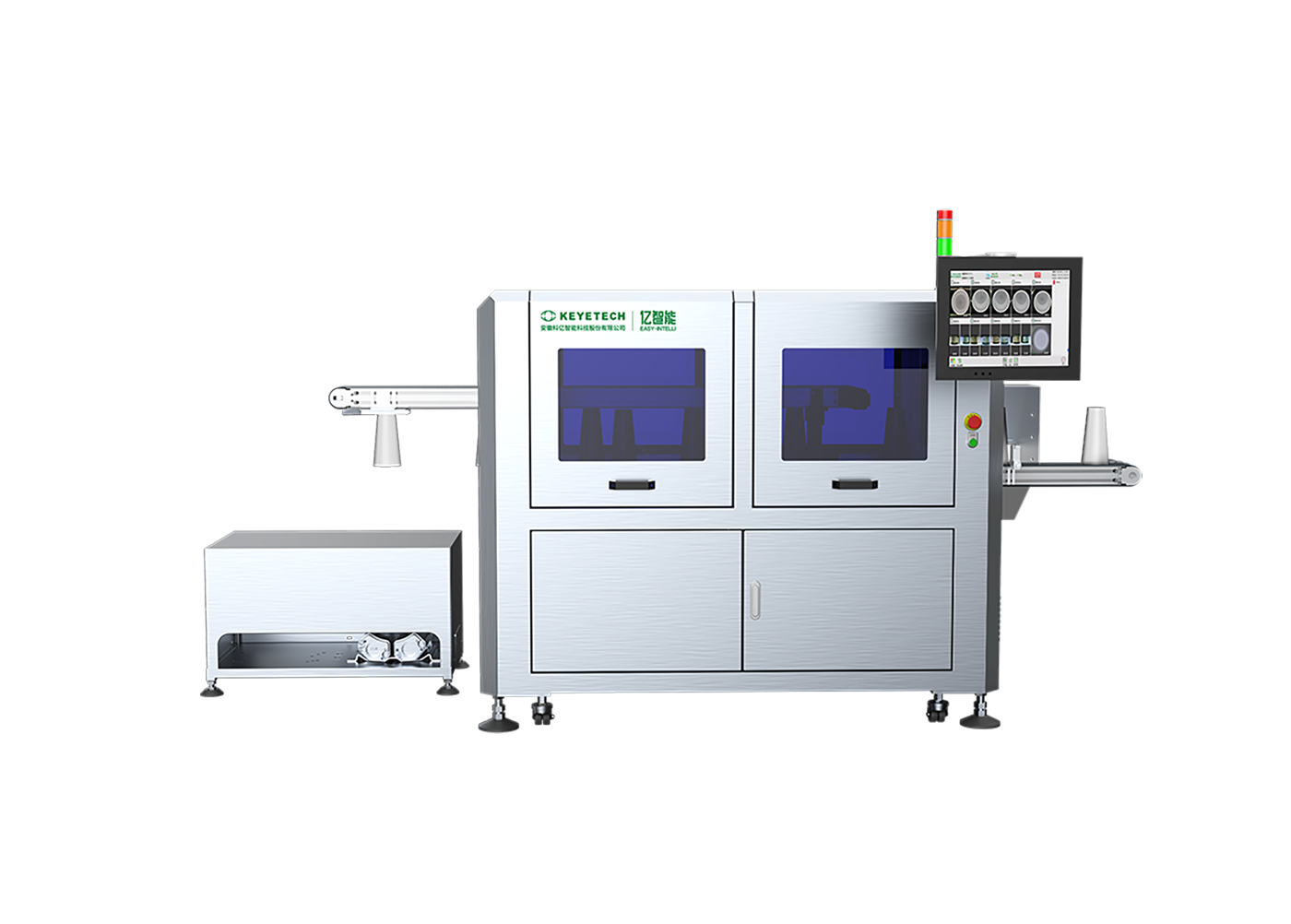
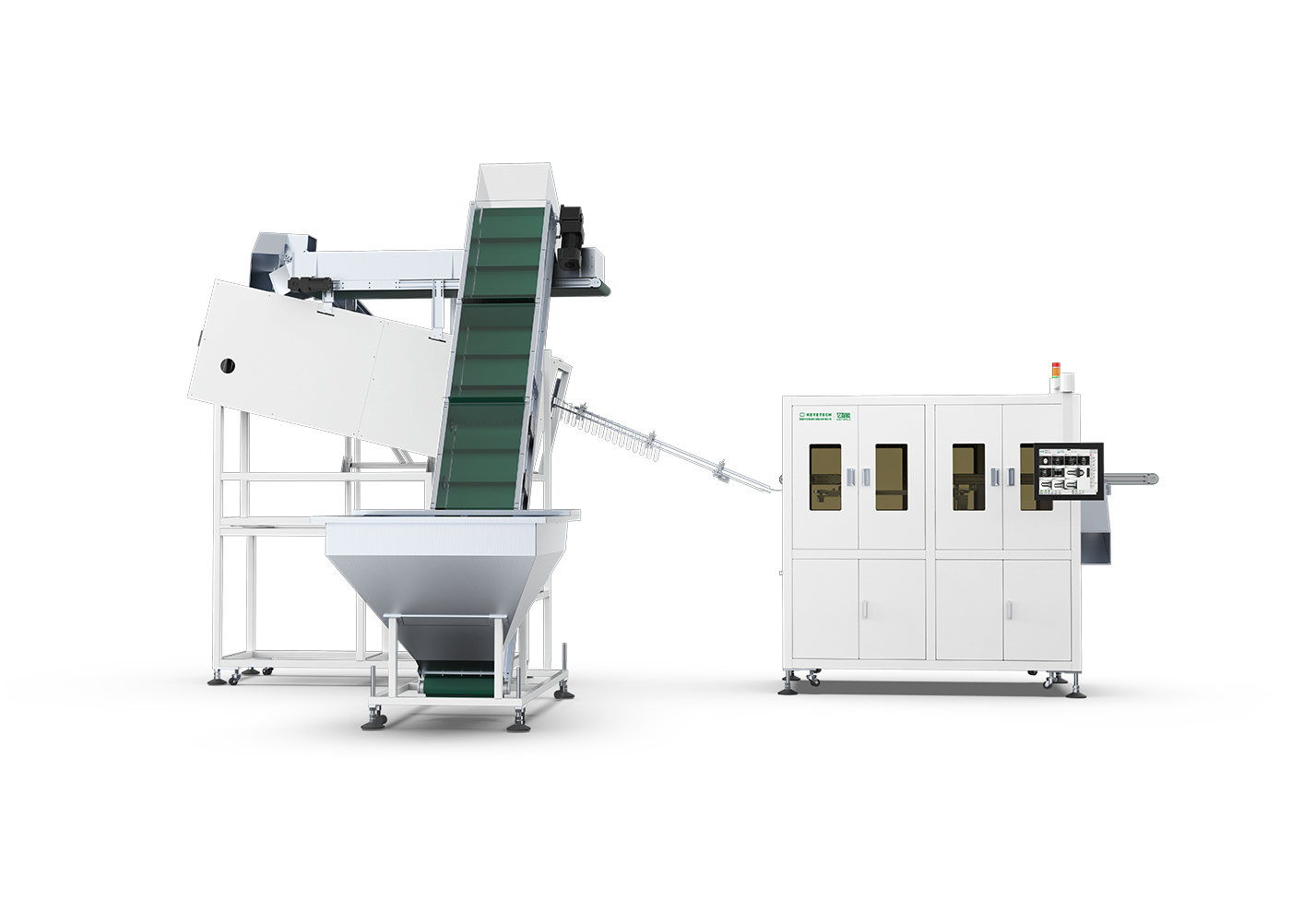



AI Glass Turntable Inspection Machines
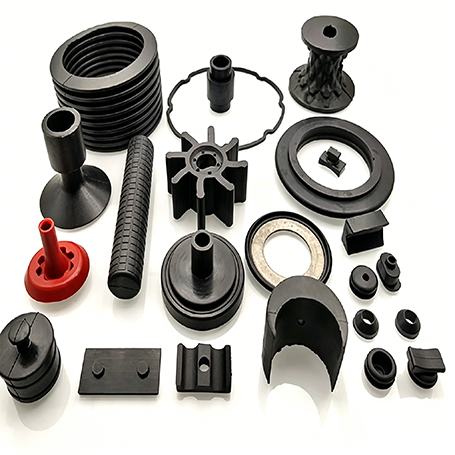
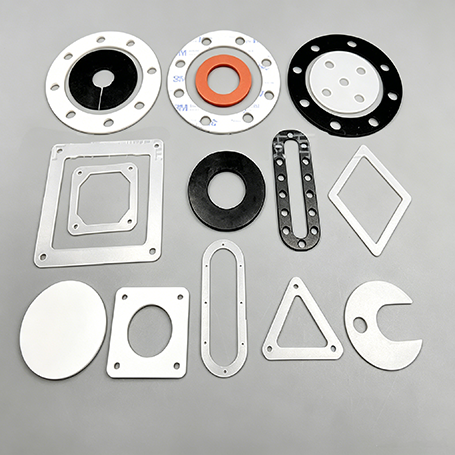
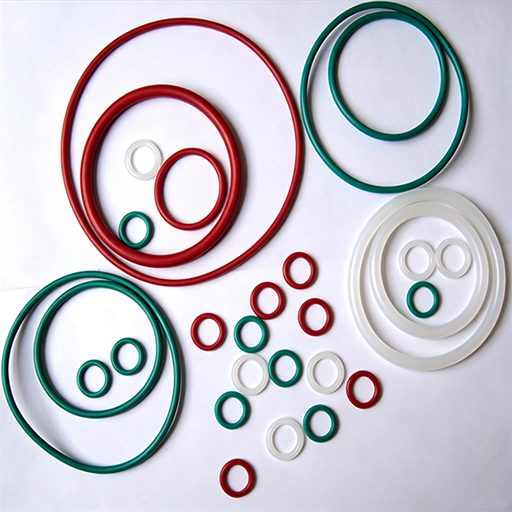
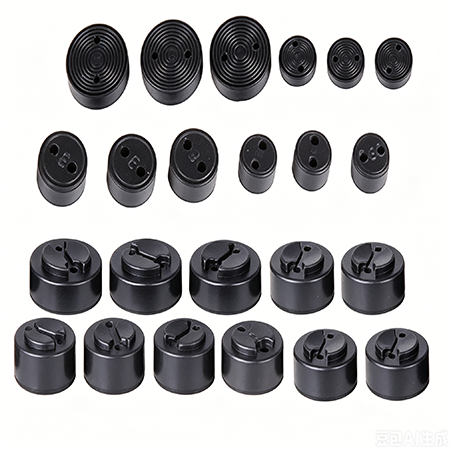
Inspect plastic, metal and rubber components
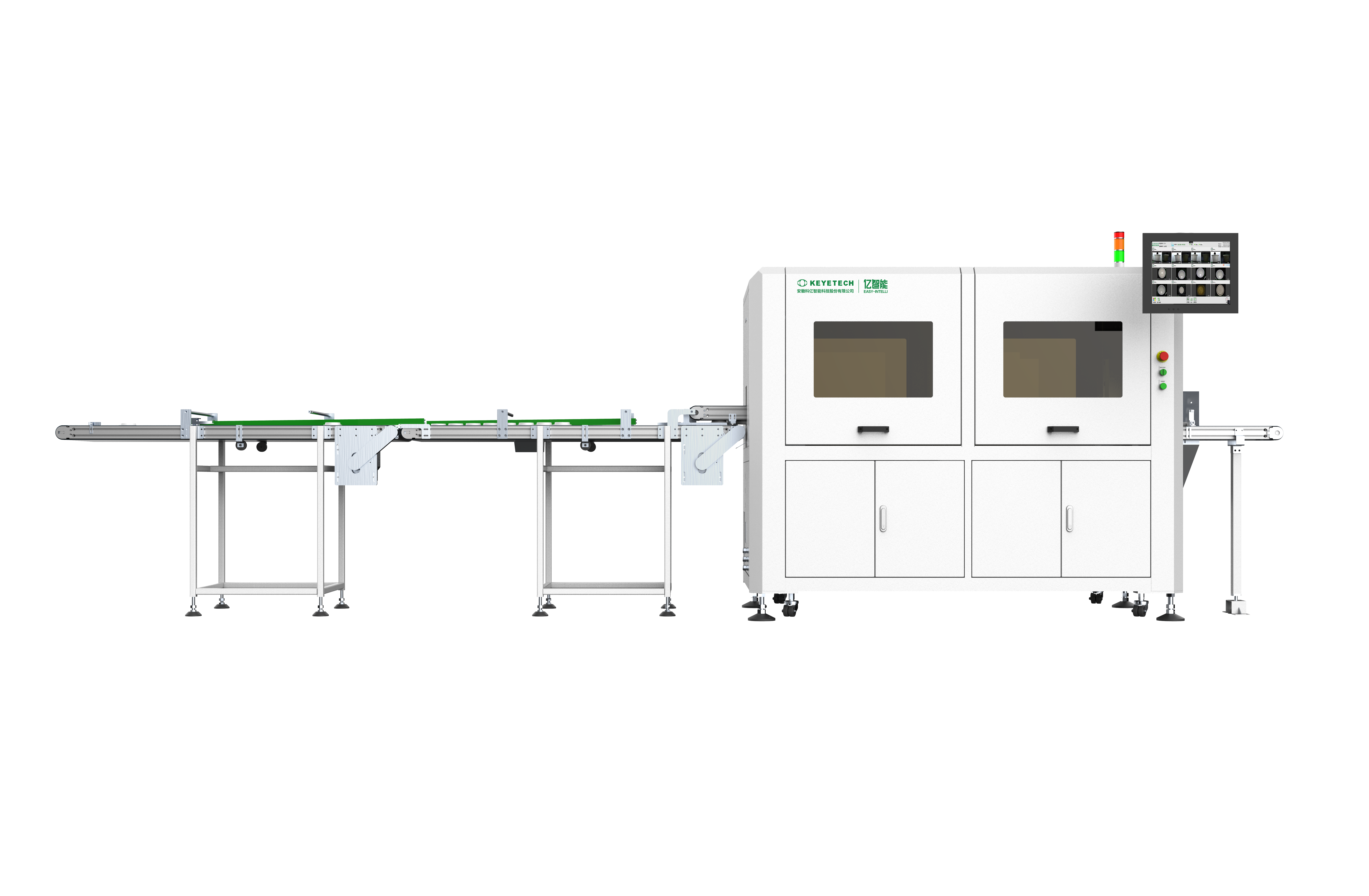
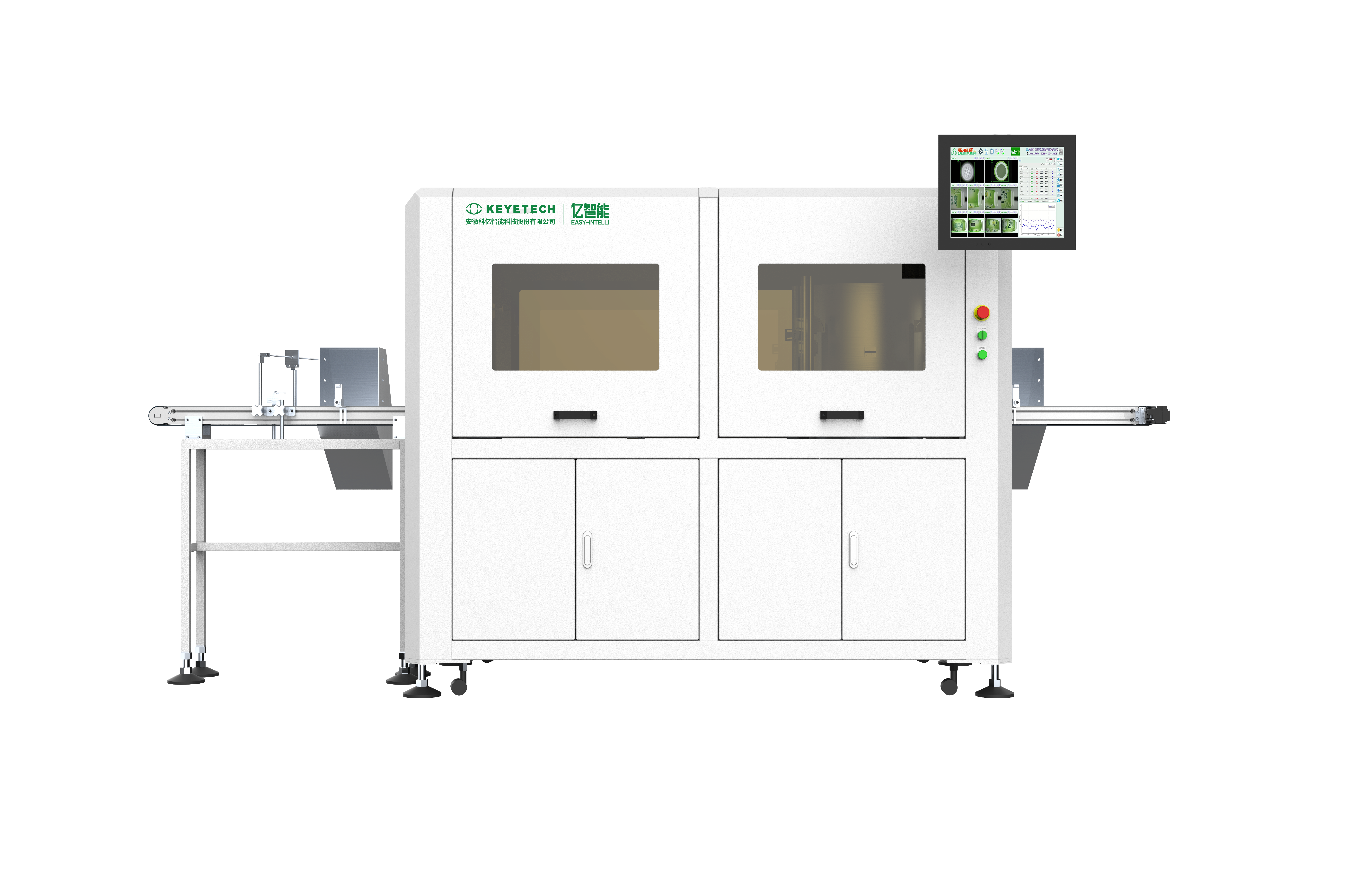
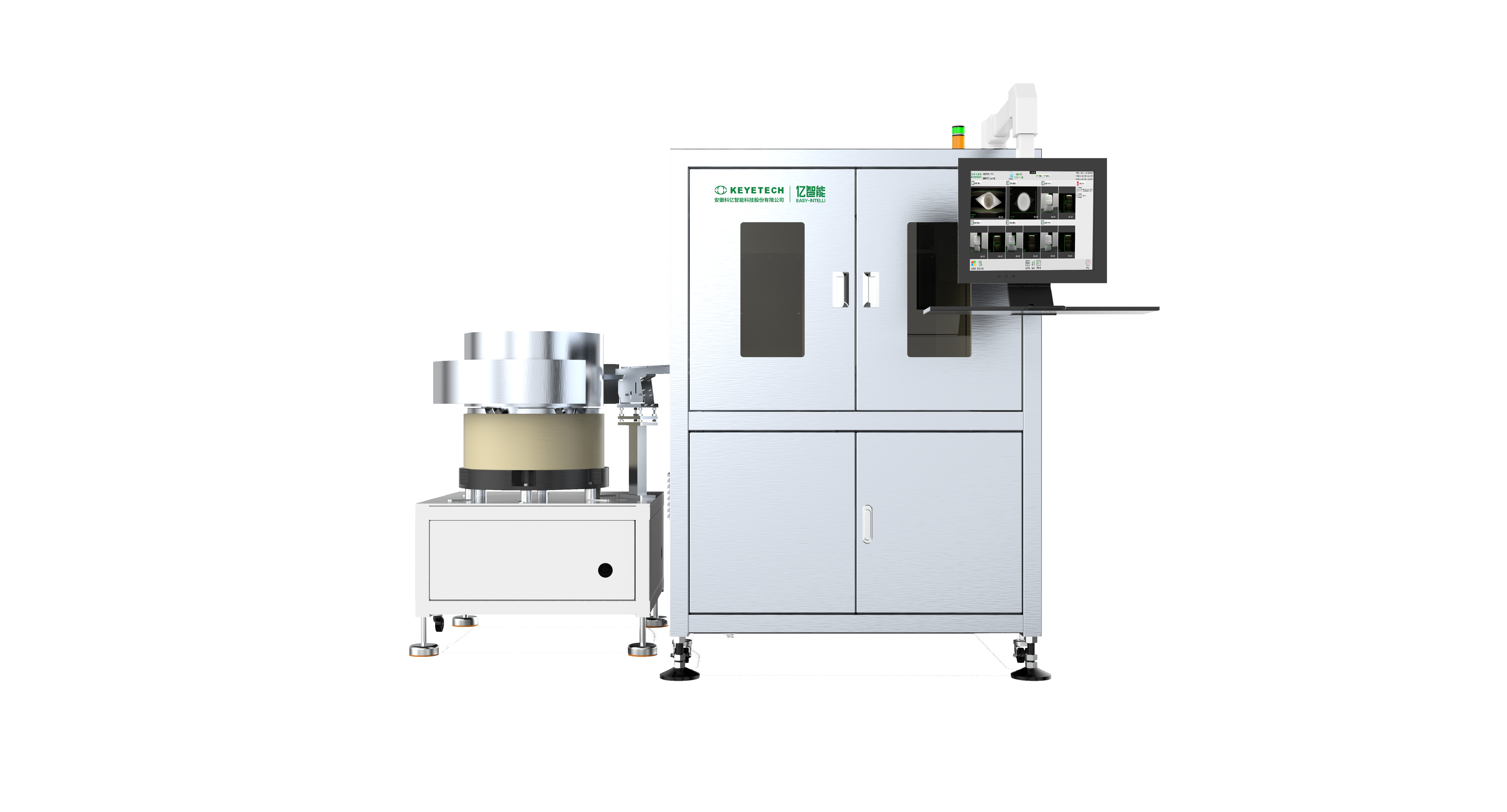
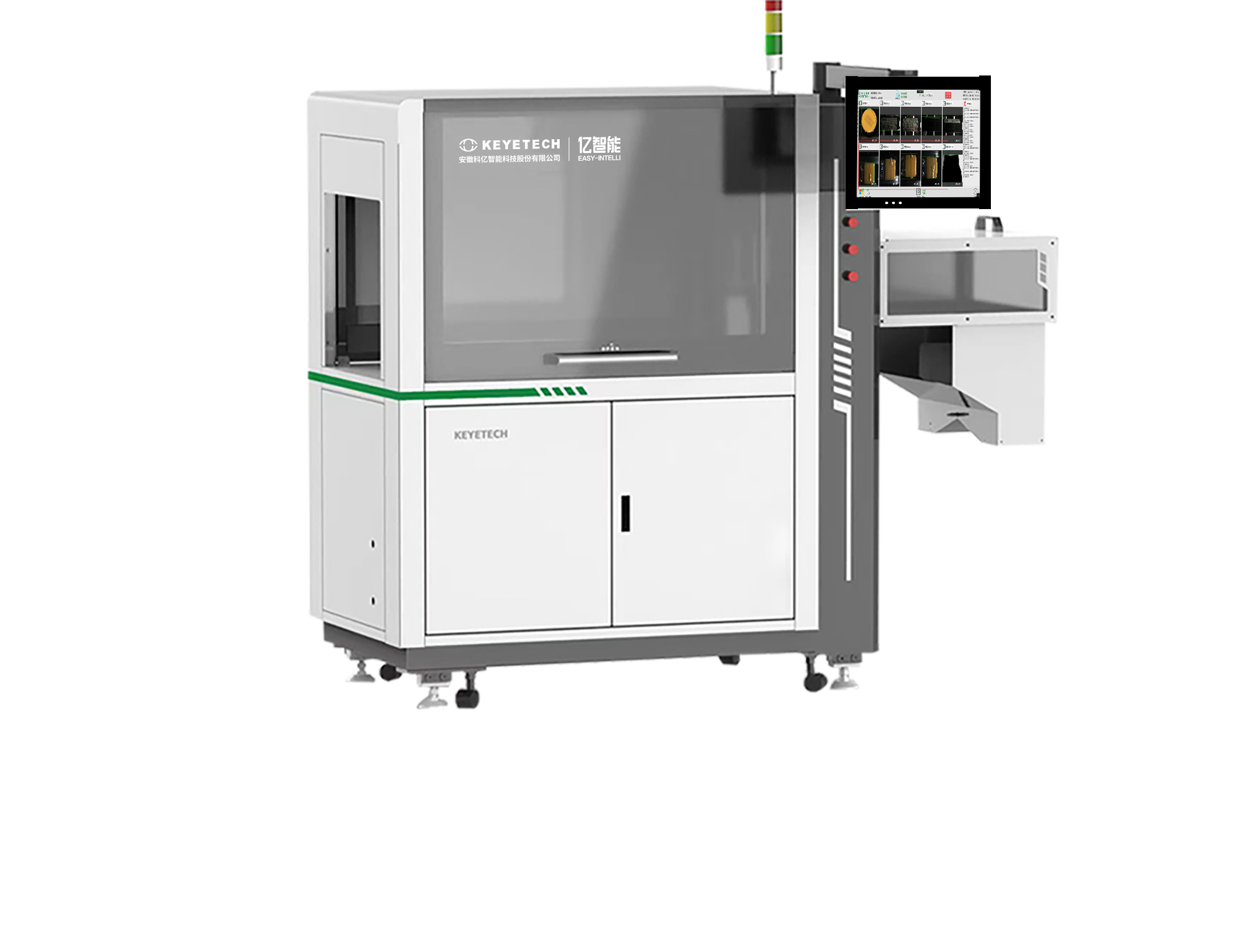
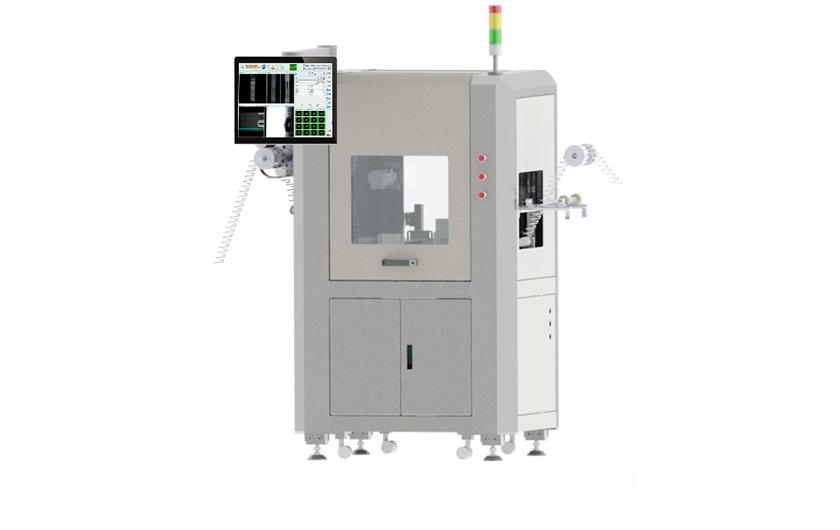
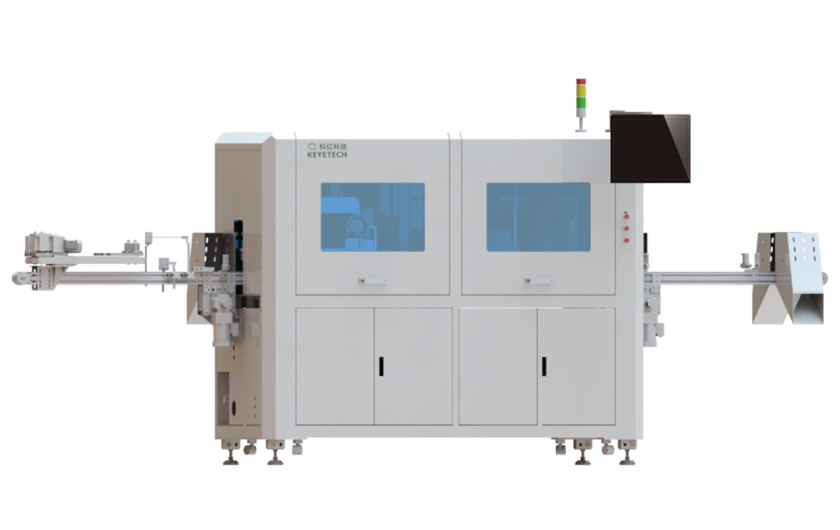
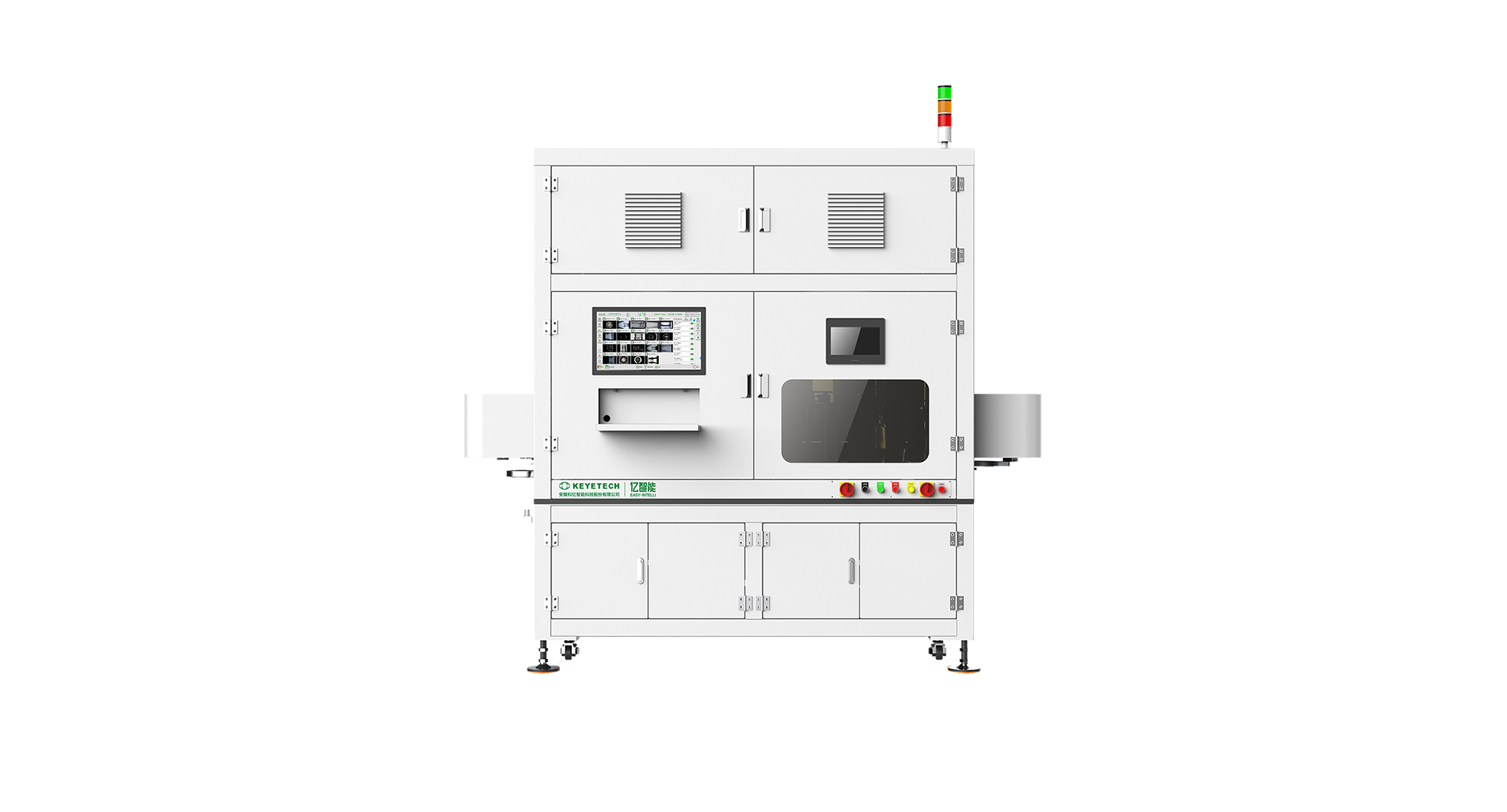
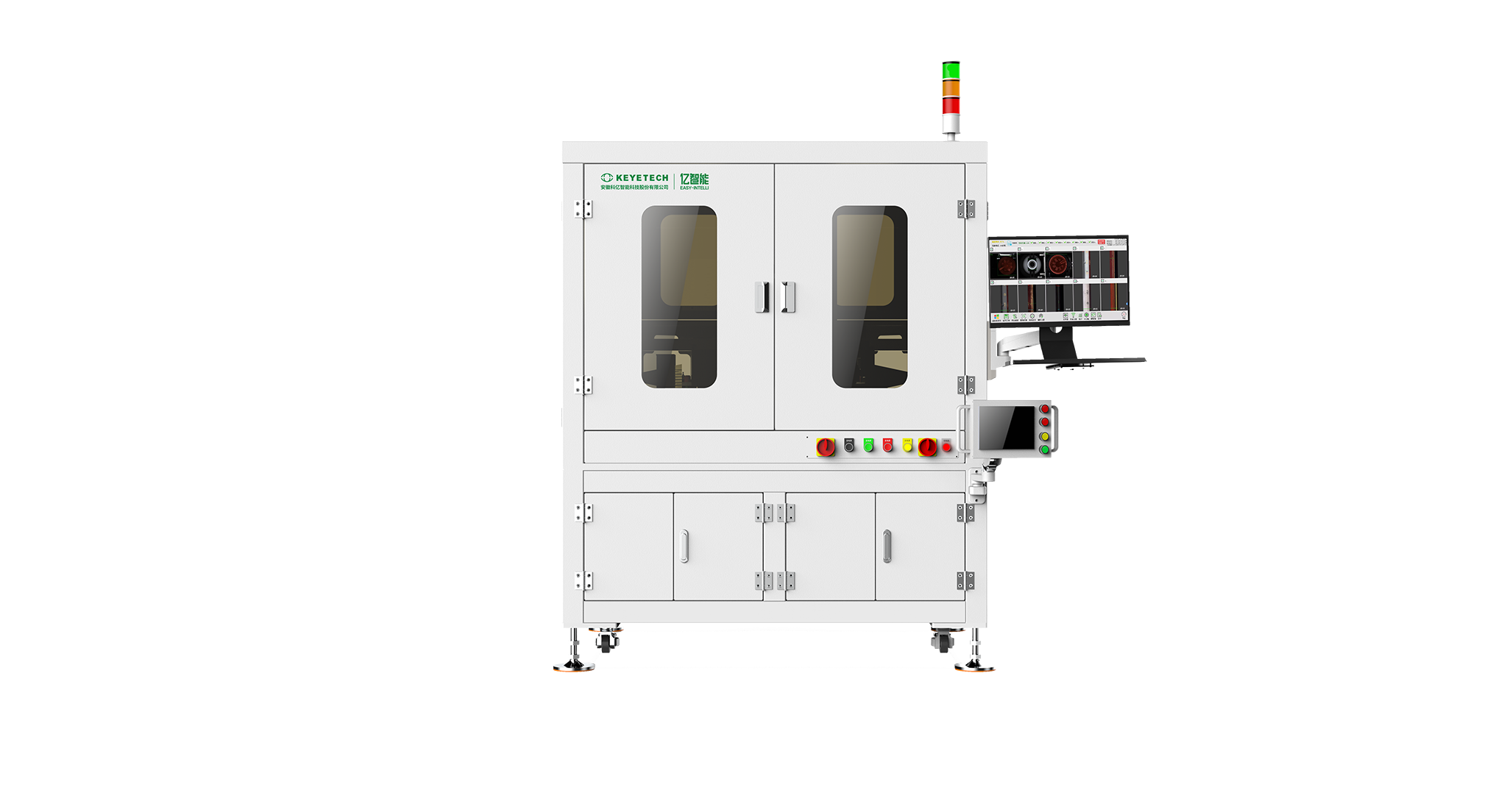
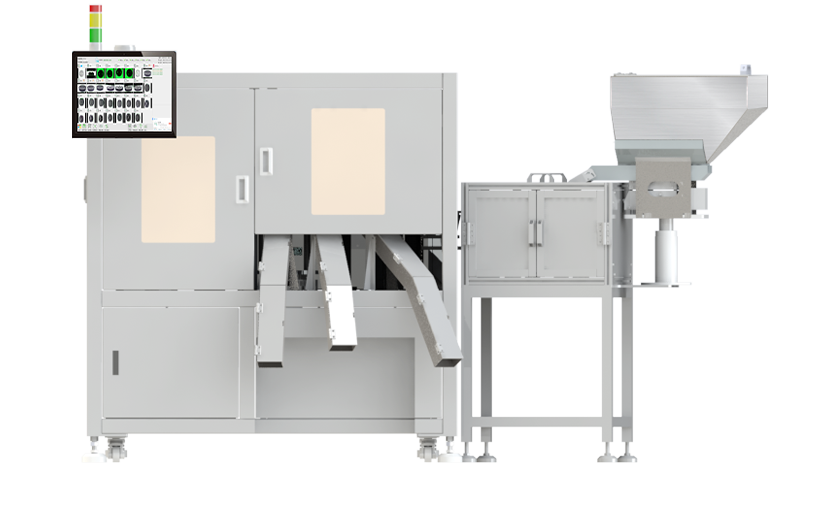
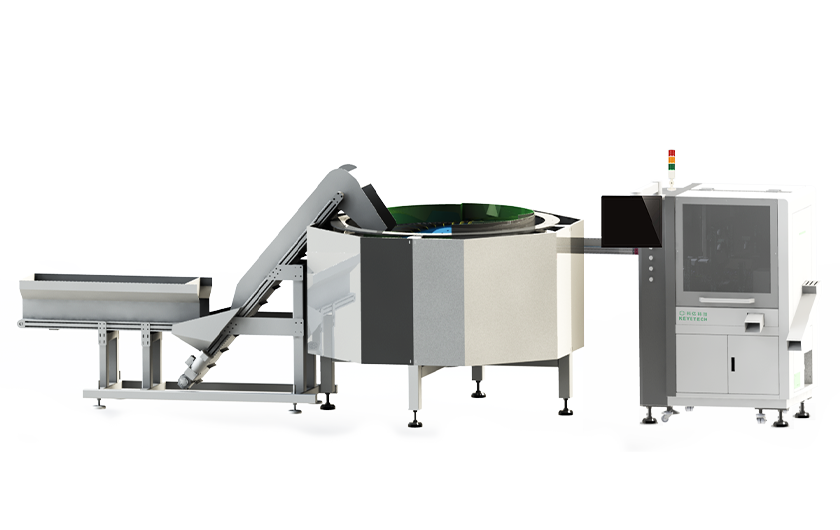
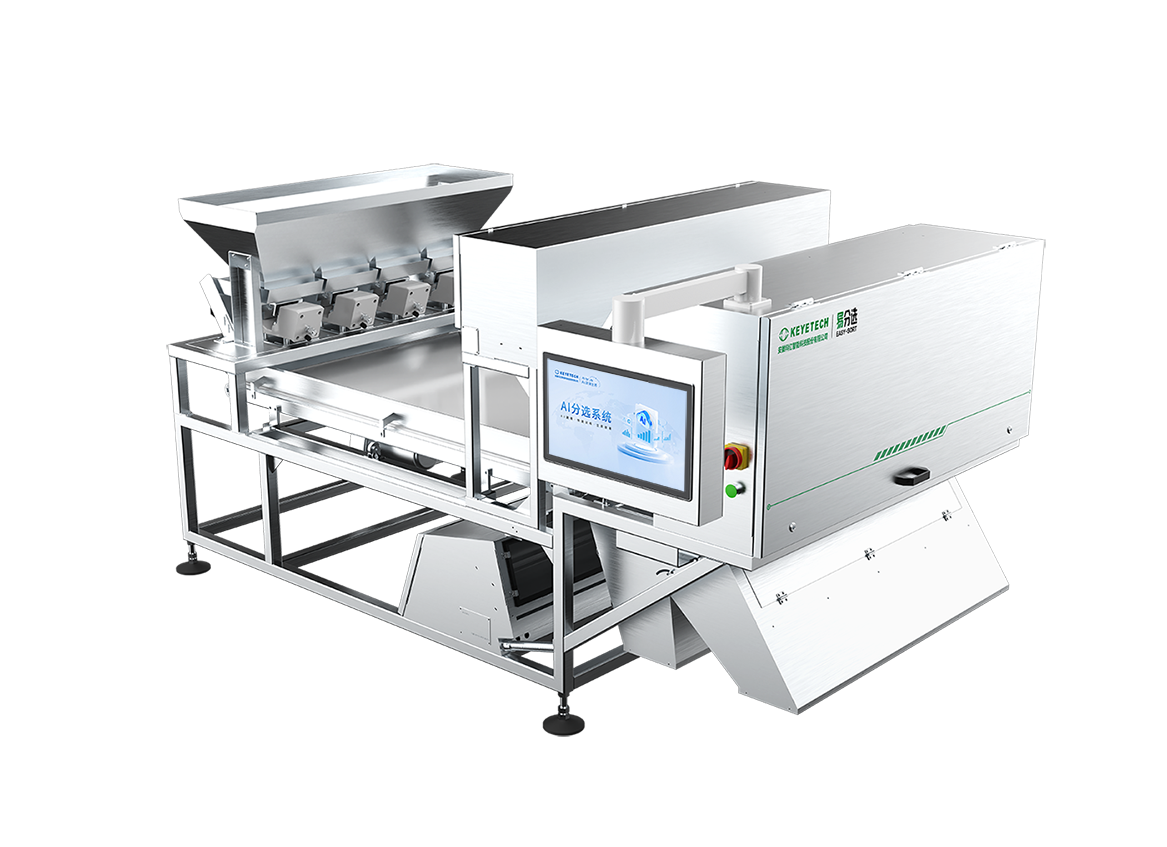
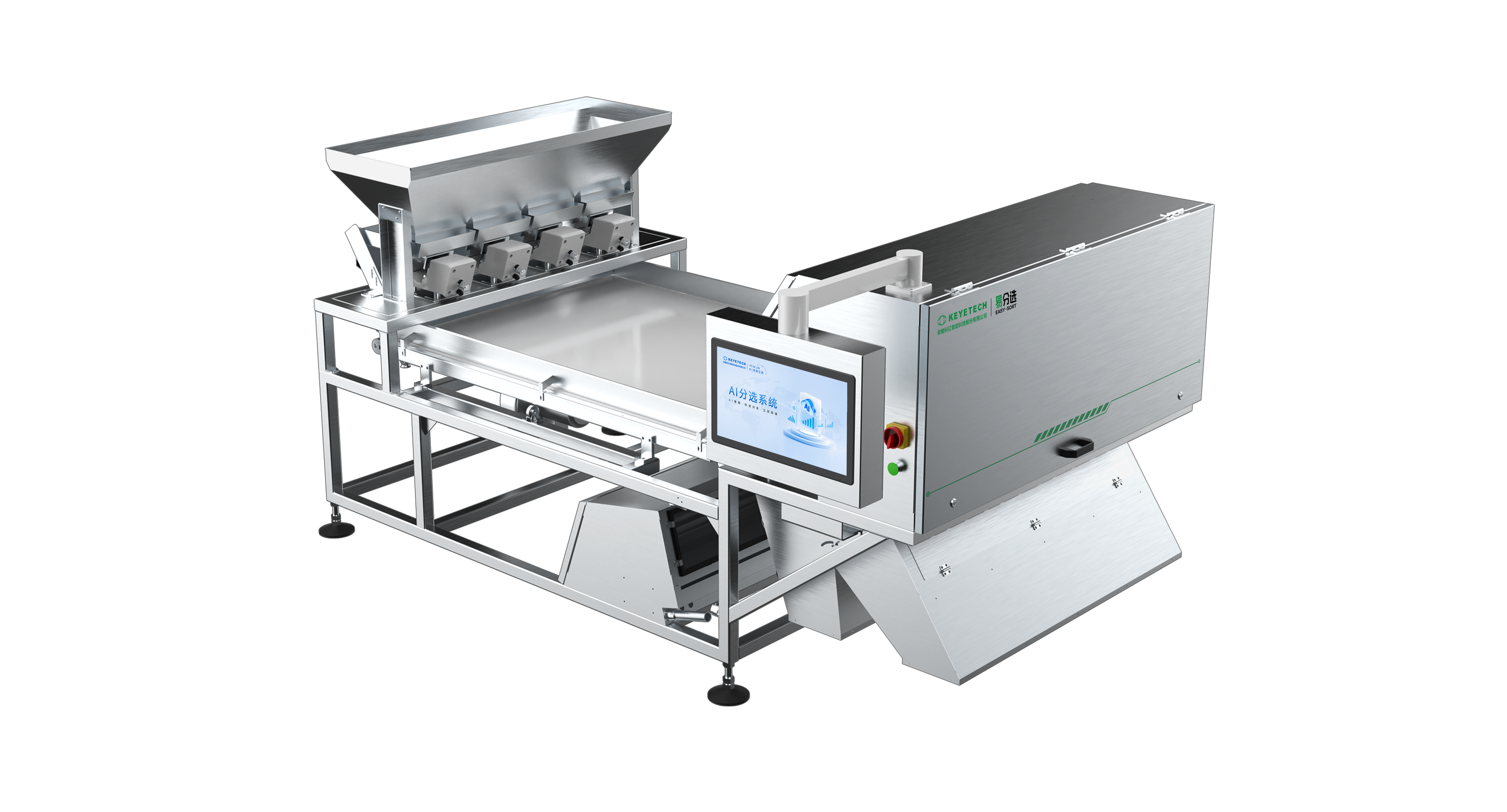
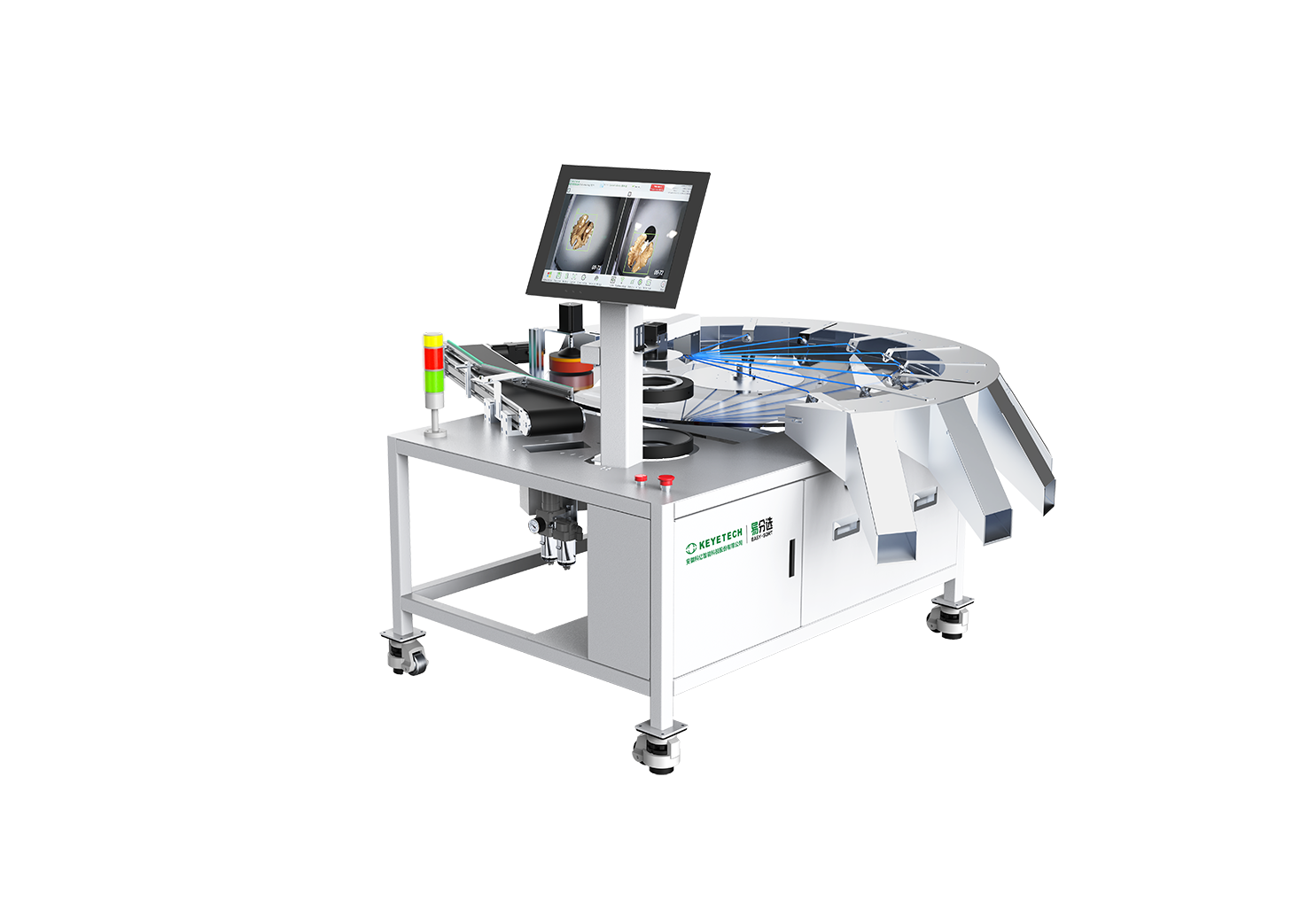
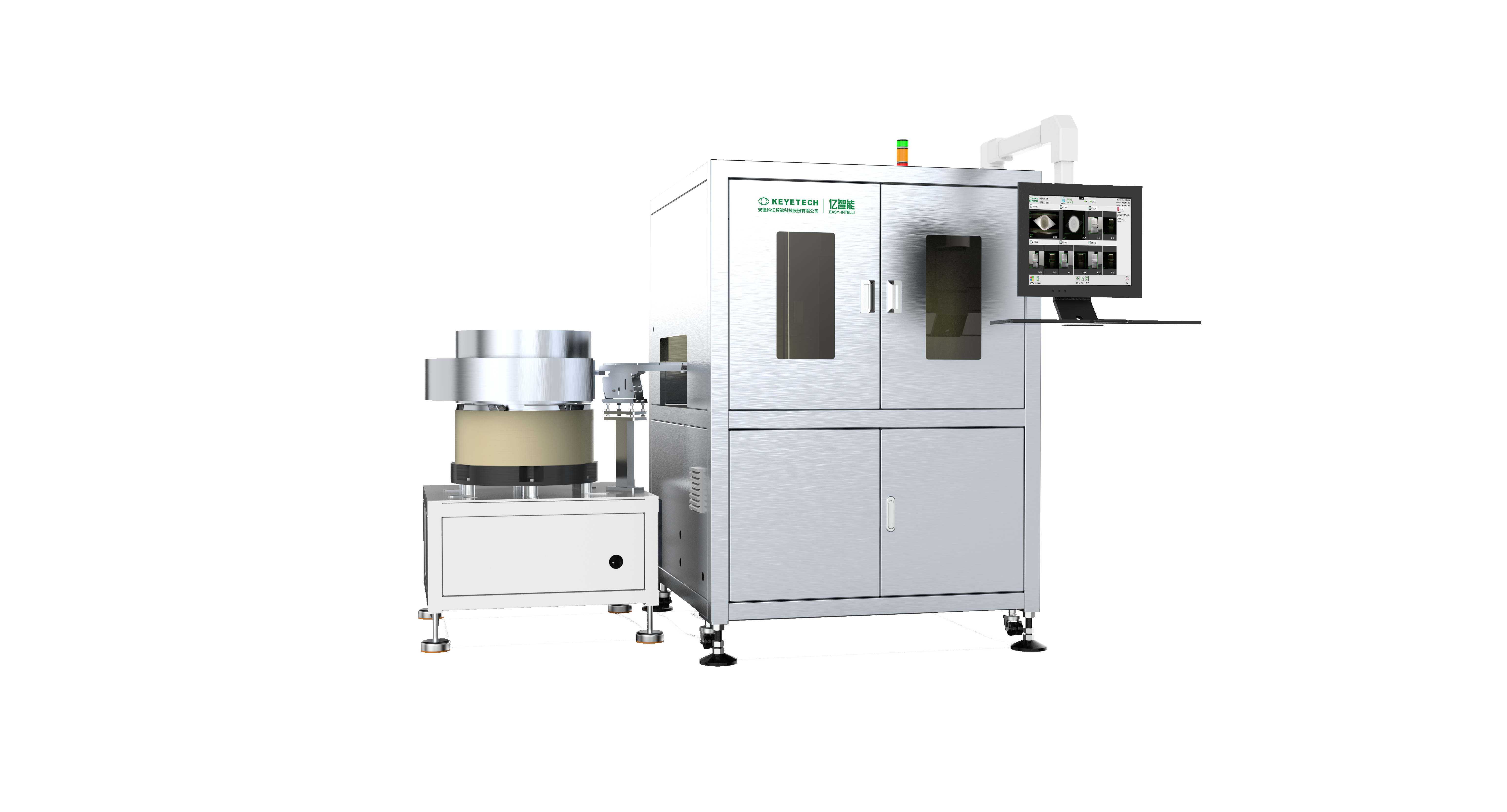
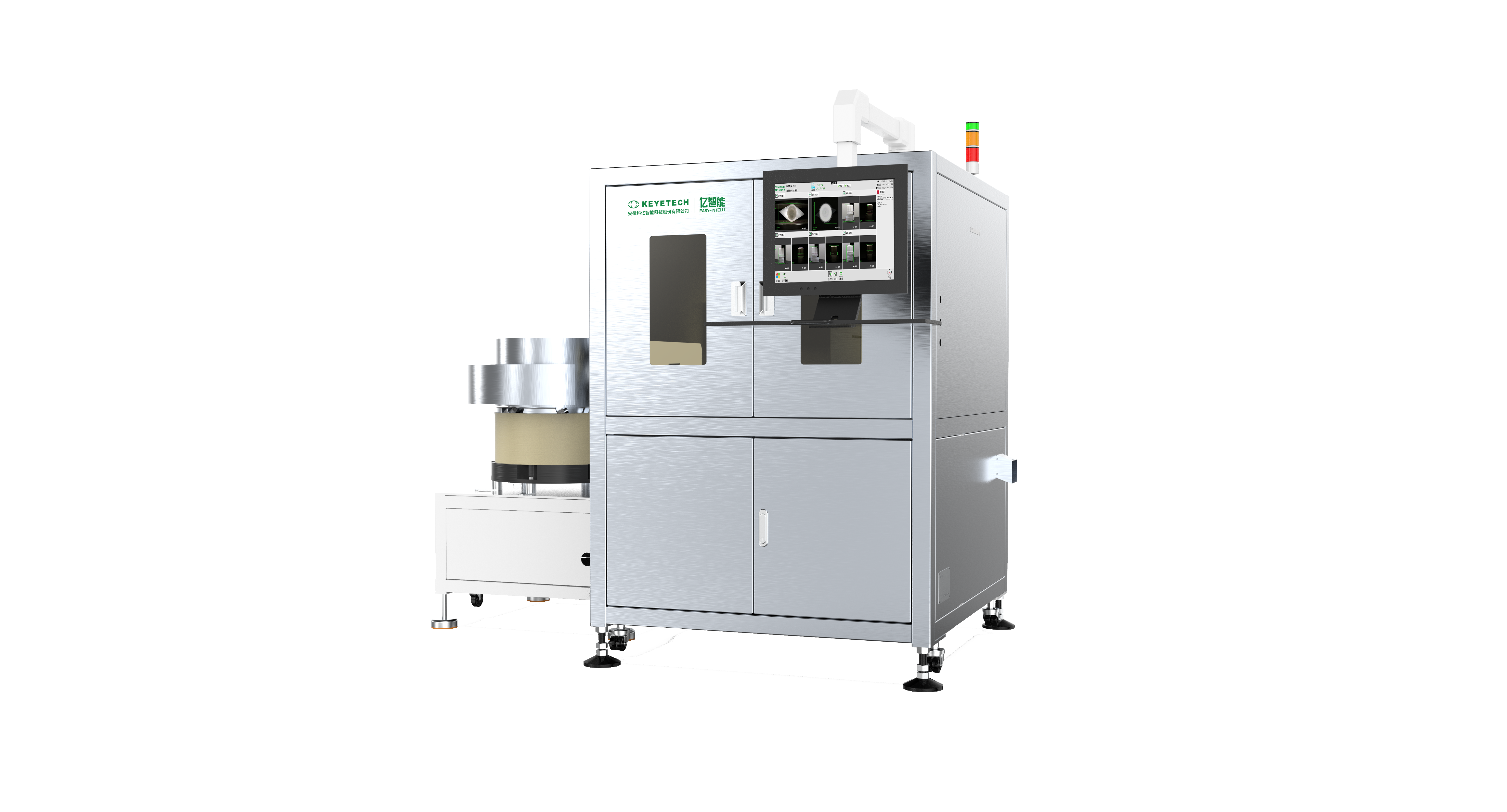
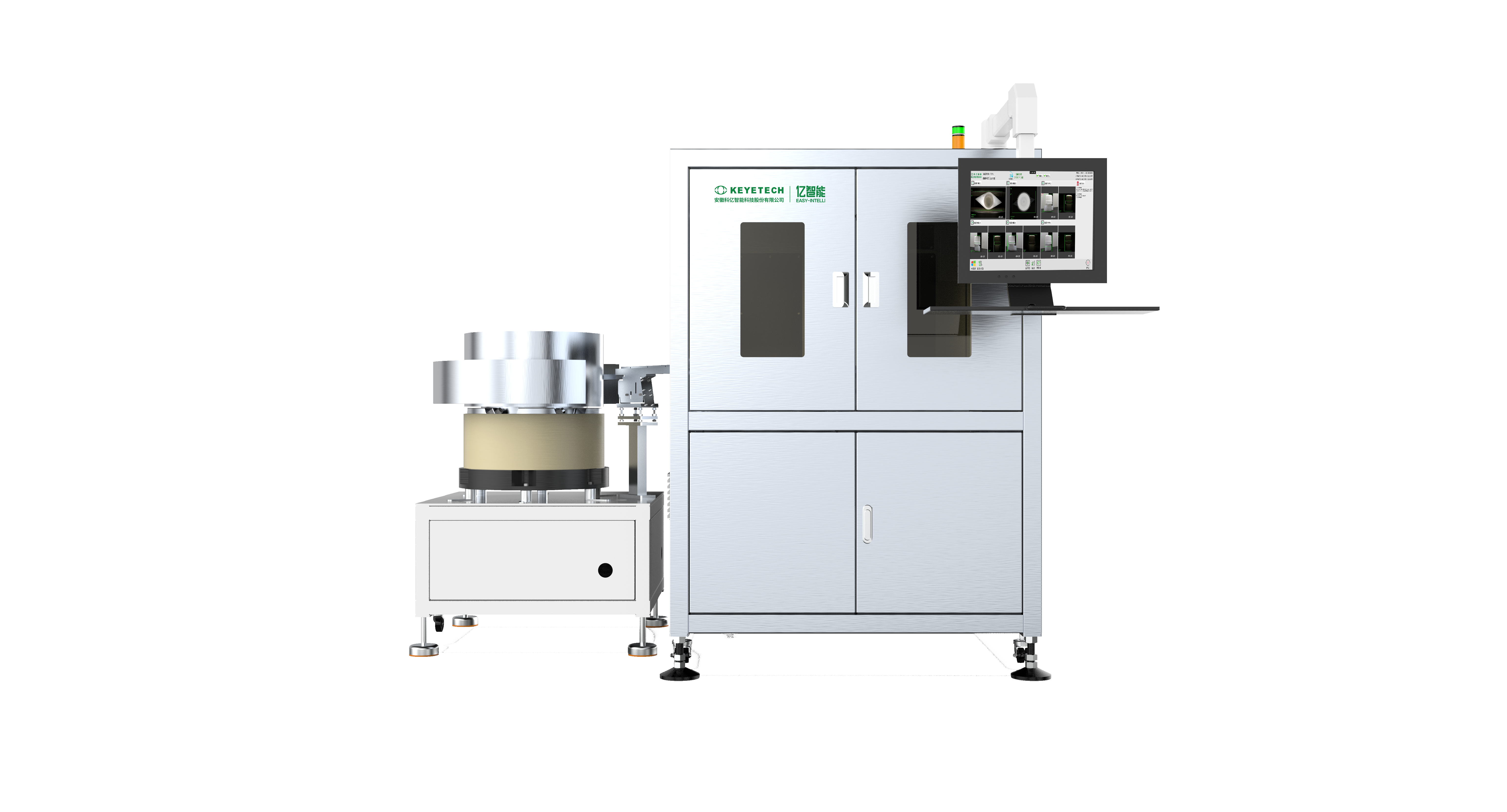
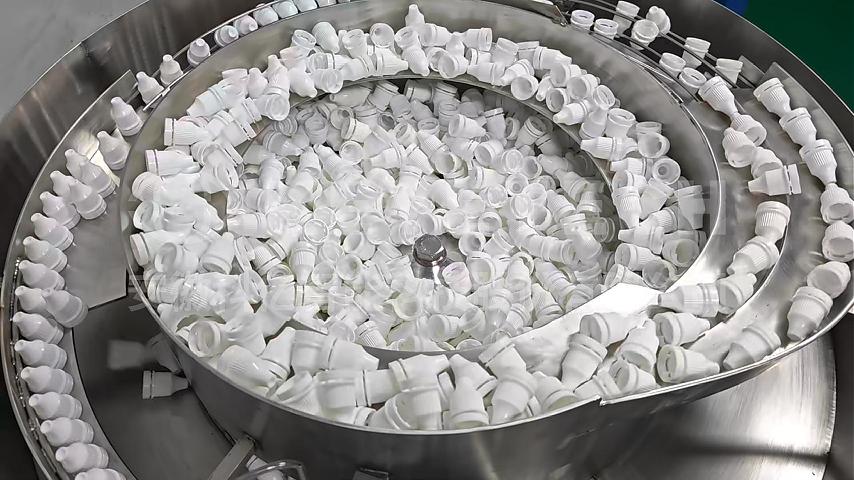
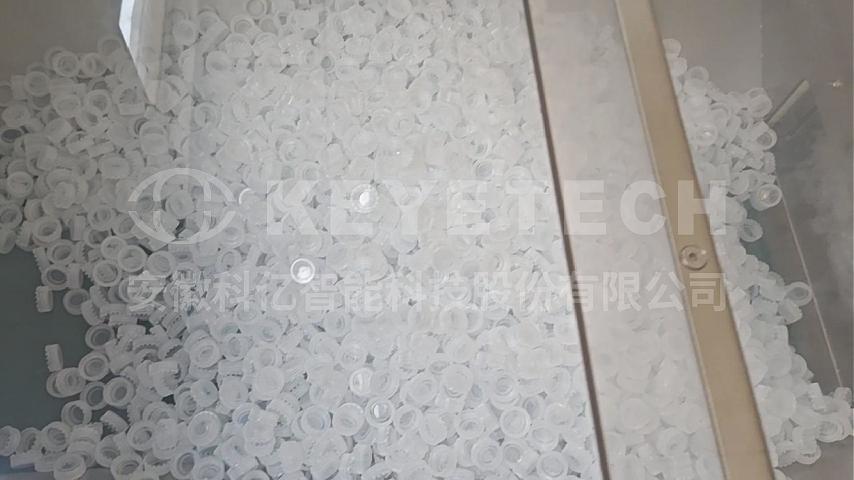
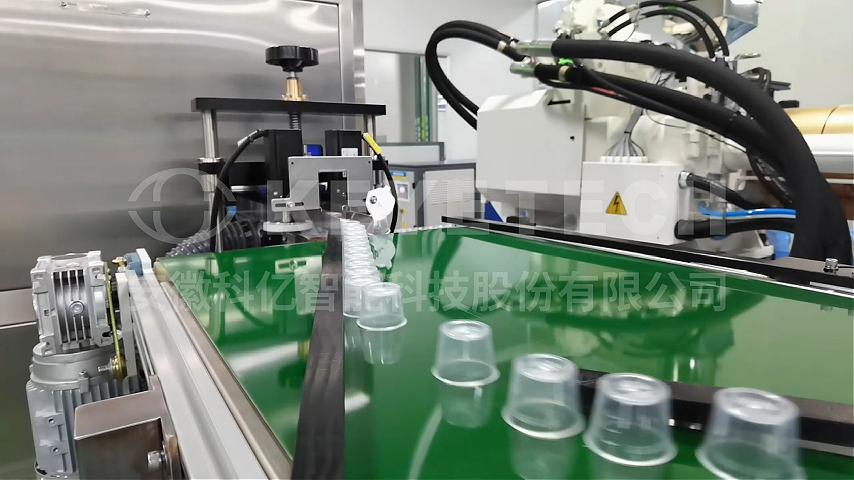
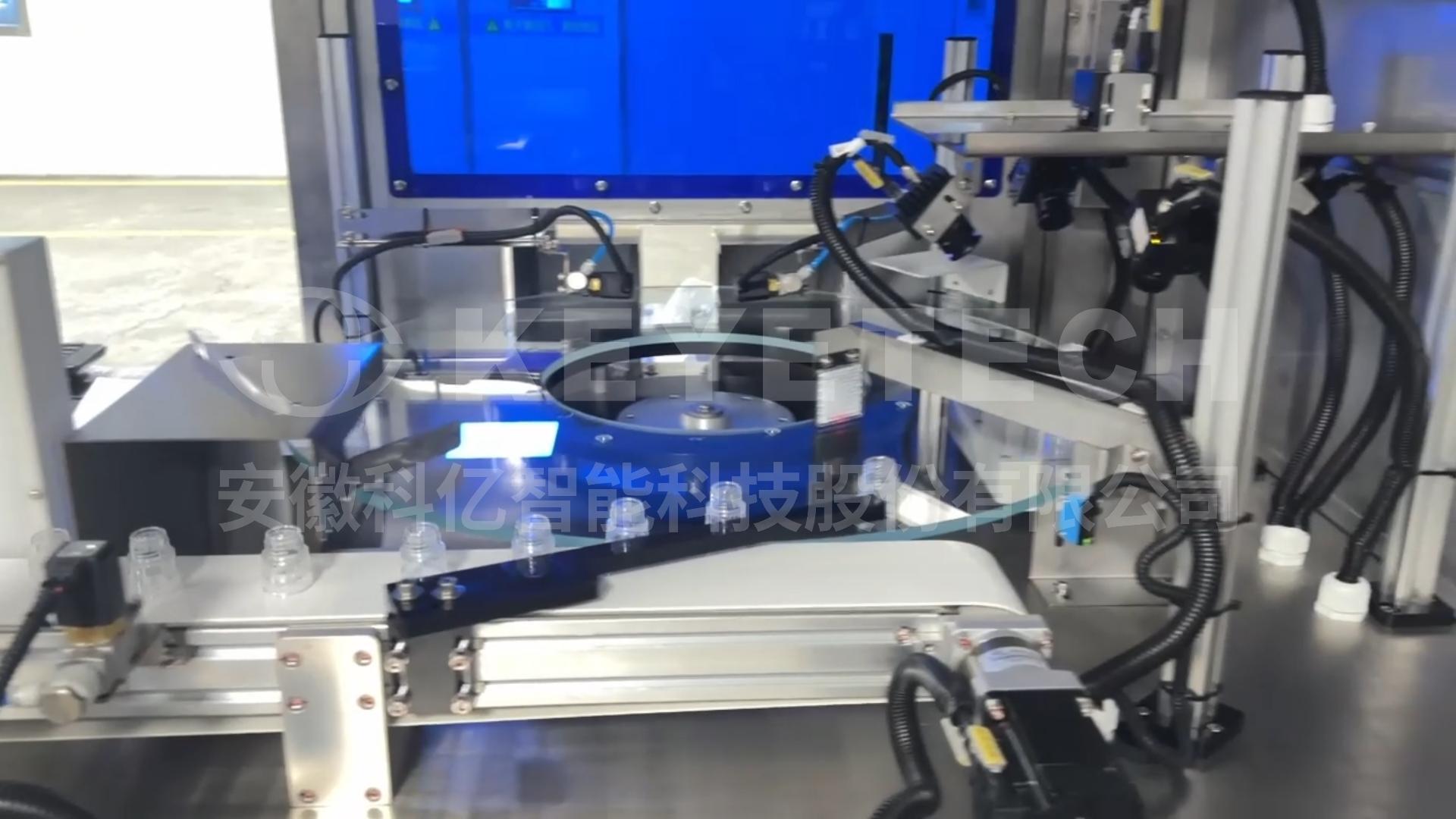
AI Glass Turntable Inspection Machine adopts workflows including image acquisition, image processing, image annotation, AI algorithm modeling and software scheduling. It performs visual defect inspection on plastic, metal and rubber components, rejects defective products, and counts and sorts qualified products into separate bins.
Maximum Speed: 1,500 pcs/min
Detection Accuracy: 0.1 mm
Detection area: 360°
- Testing Products
- Defect Detection
- Product Advantages
- Detection video
Testing Products
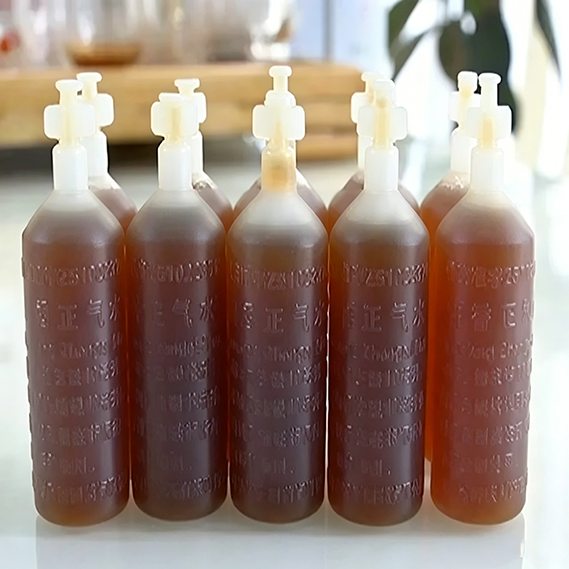
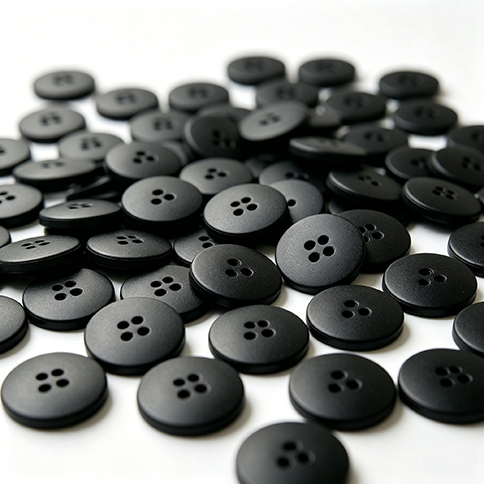
Defect Detection
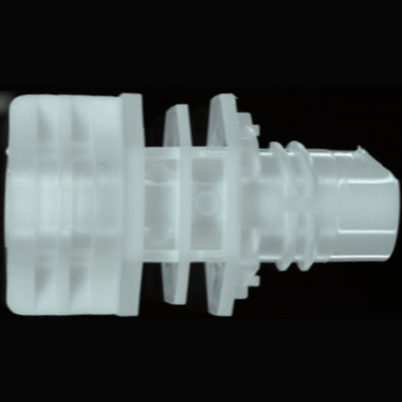
Notches
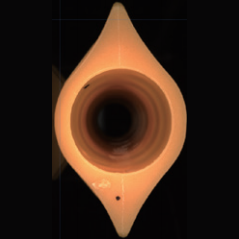
Black spots on the inner wall
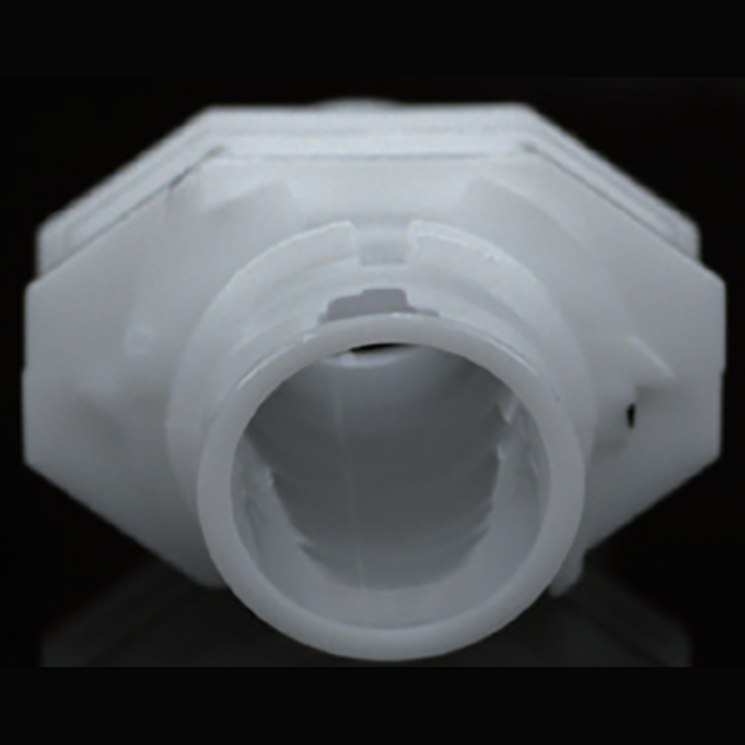
Broken
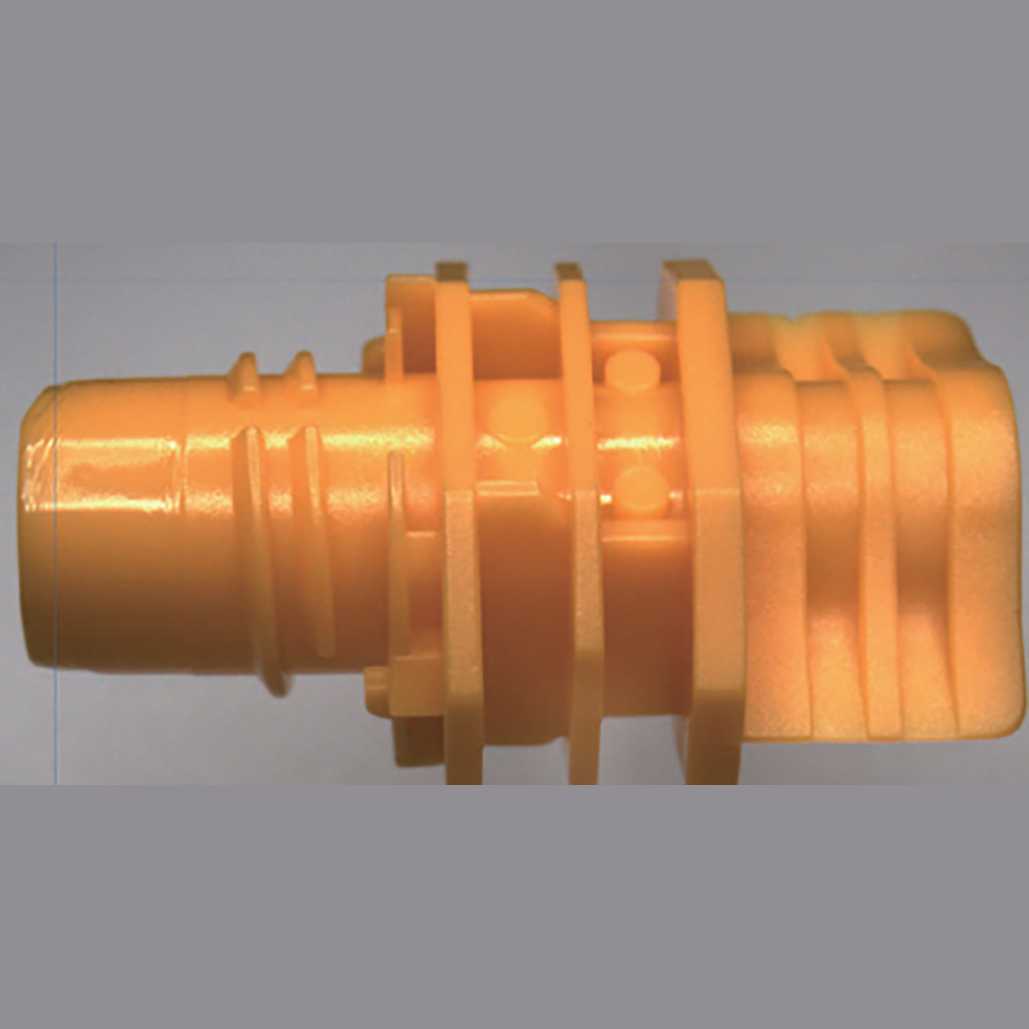
Poor molding
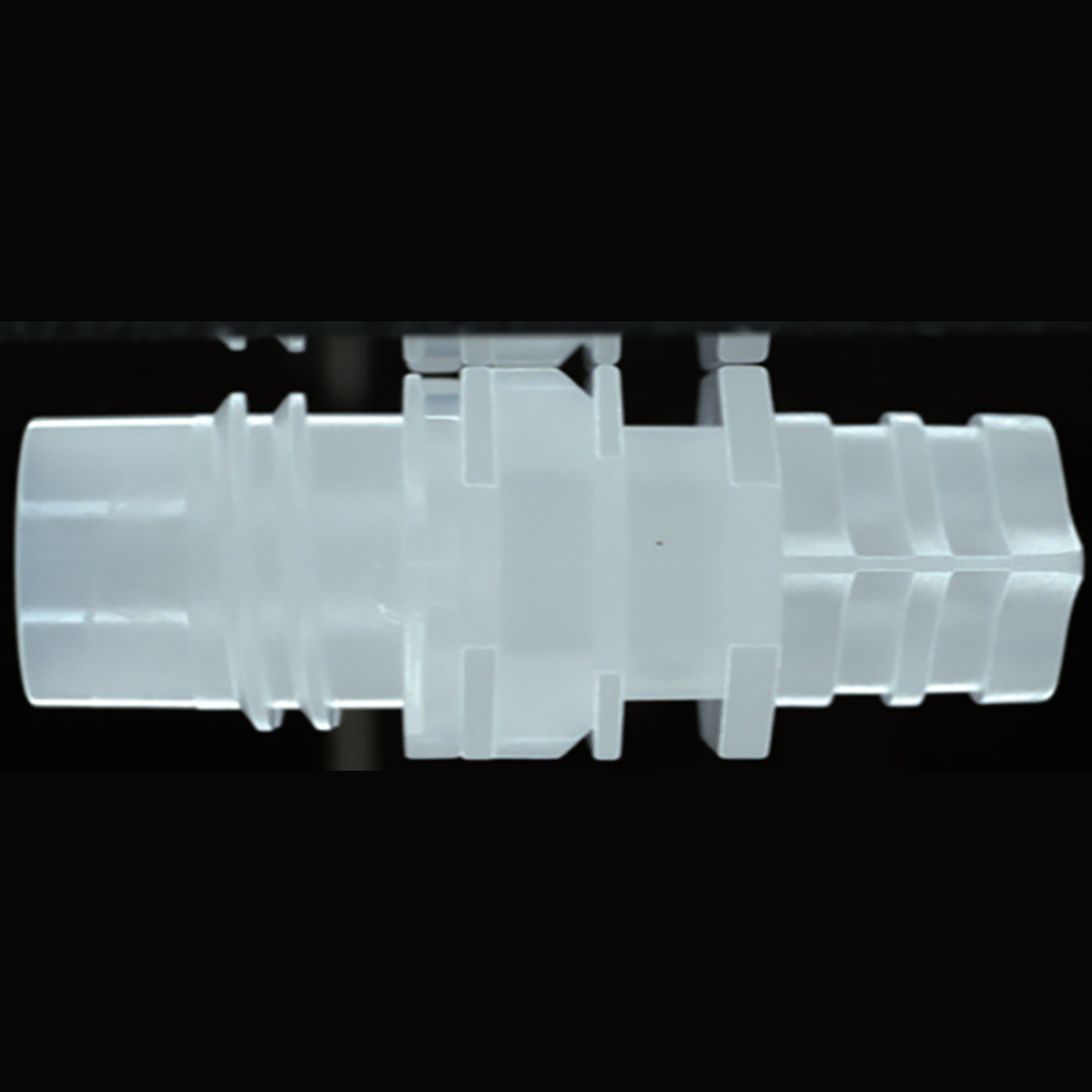
Black spot
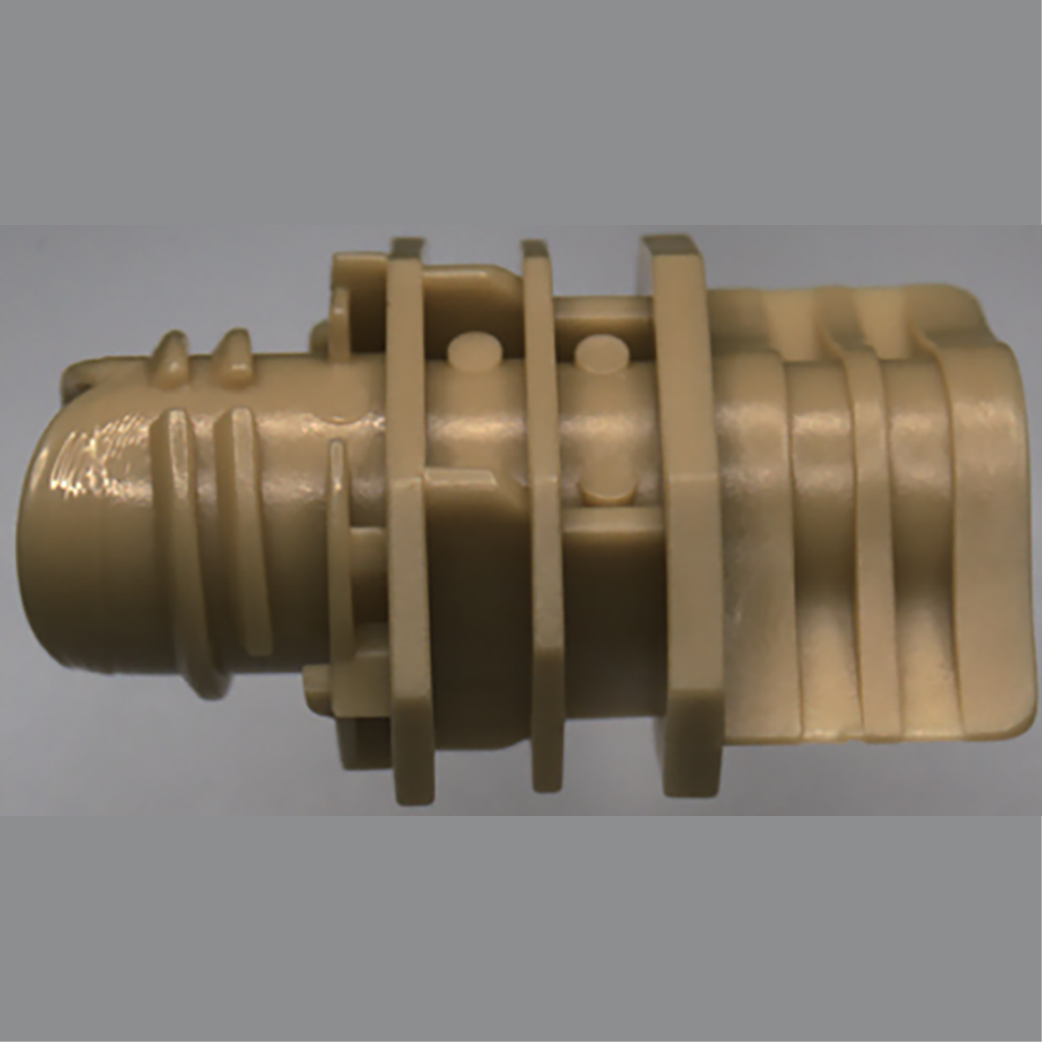
Short moulding
Product Advantages

Product 360 ° Full Inspection
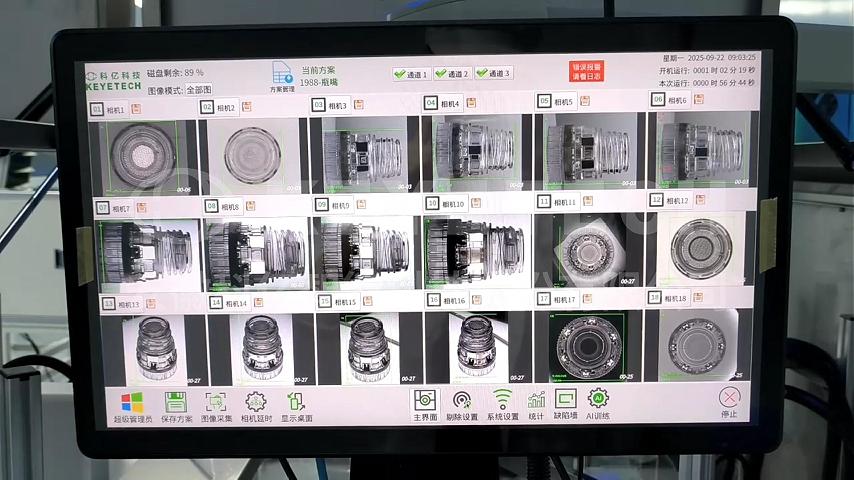
It enables full 360° all-round inspection of plastic, metal, rubber and other workpieces, covering top surfaces, concave surfaces, side surfaces and inner walls.

Data Traceability and Intelligent Management
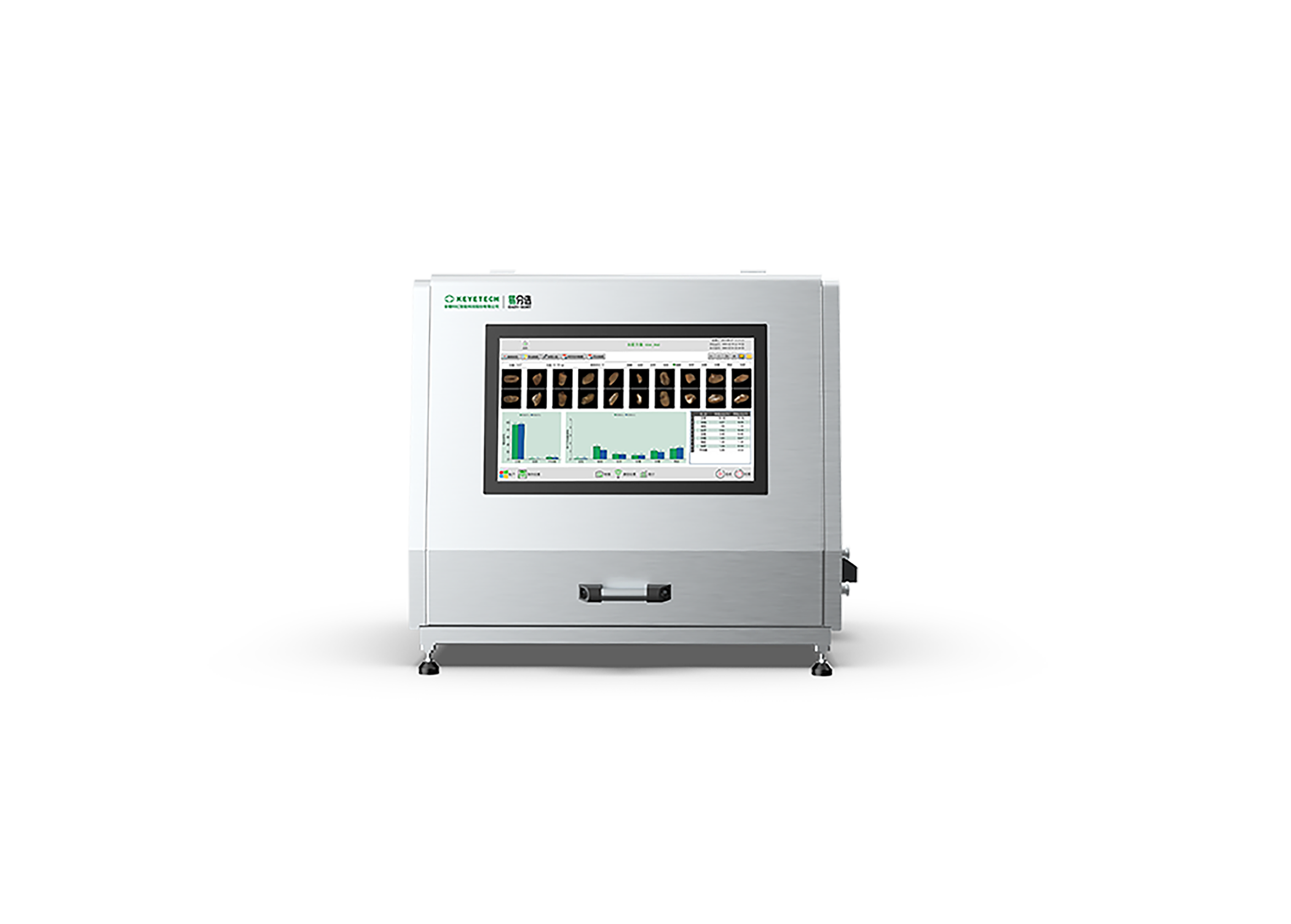
Real time viewing of inspection data is available. Production status can be monitored based on inspection data to control upstream technological processes.

Al Algorithm Cloud Platform
Integrated with core algorithms including classification detection, segmentation, positioning and image enhancement; equipped with self-built cloud computer room for secure and efficient data storage.

Al Edge Computing Unit
Accelerate the data inference process with a "computing power box", which is efficient, stable and not afraid of high temperatures and power outages.

Self Developed Geometric Imaging System
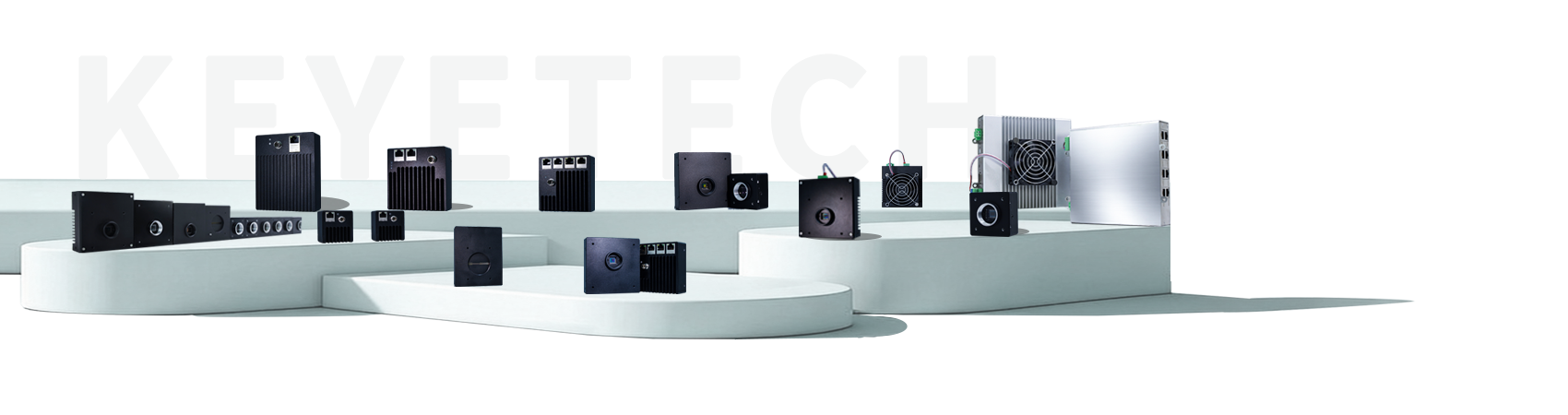
Self developed industrial cameras and optical imaging systems are adopted for appearance defect inspection of various packaging materials.

Platform Distributed Processing
Independently built the "Yangtze River" software architecture to form the foundational framework of a new-generation distributed system. It supports multi-node parallel operation and stably schedules parameters including algorithms and imaging settings.
Detection video
Previous