

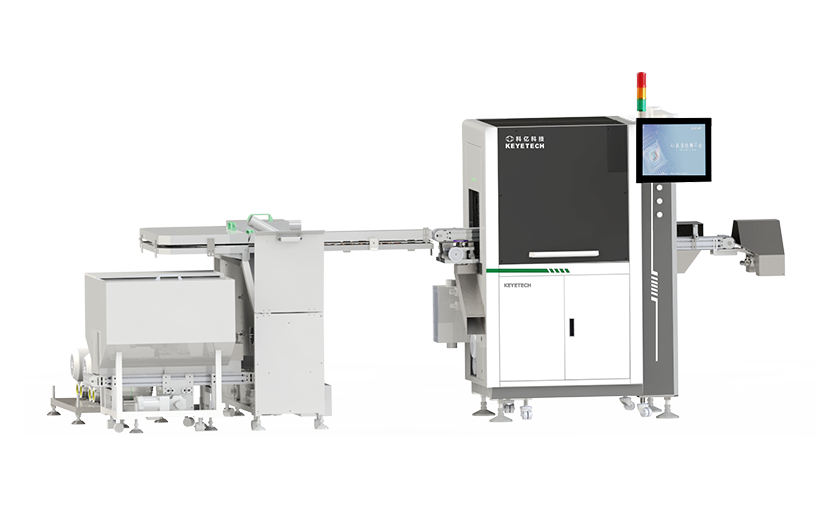
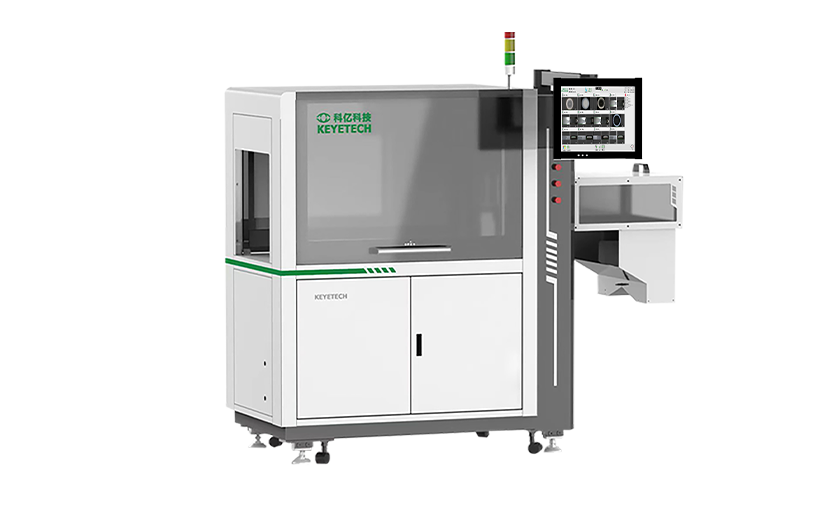
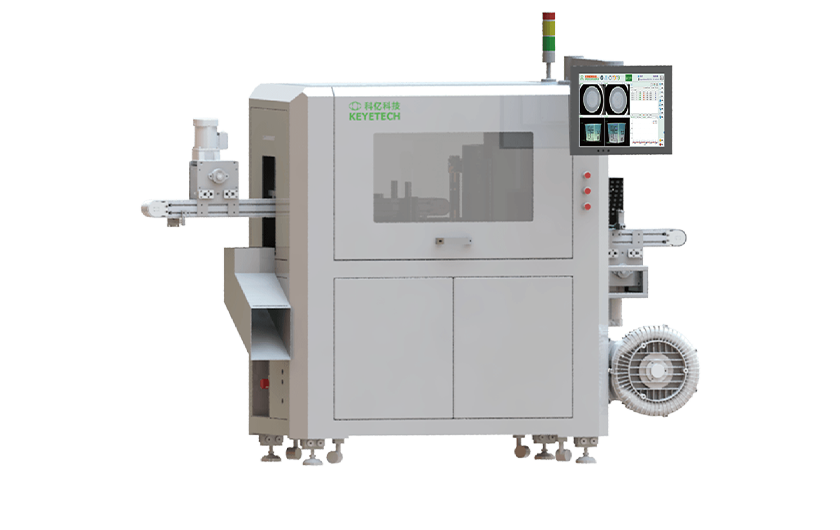
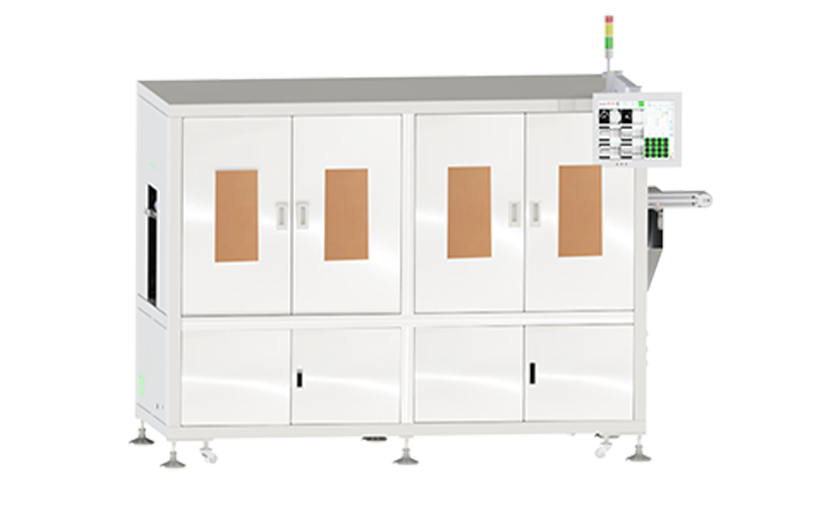
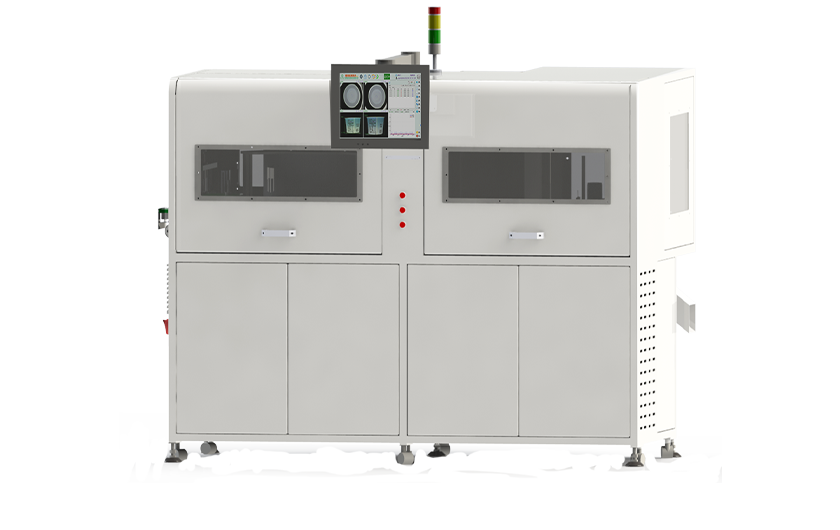
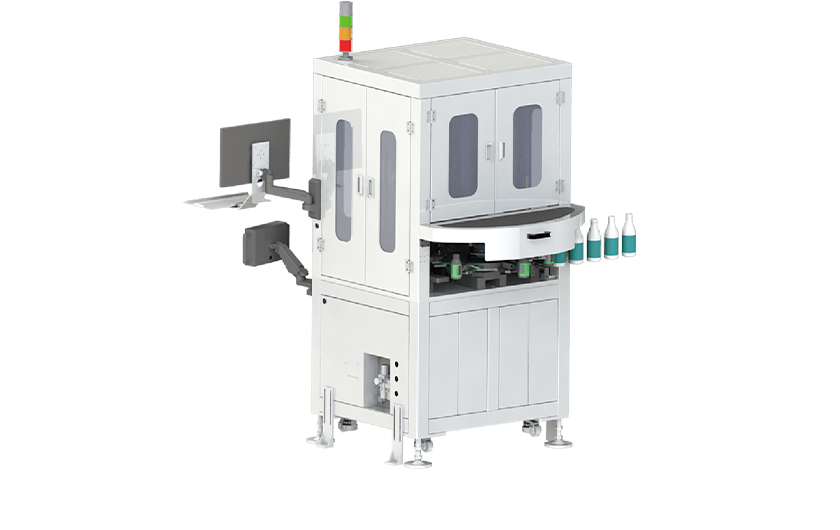
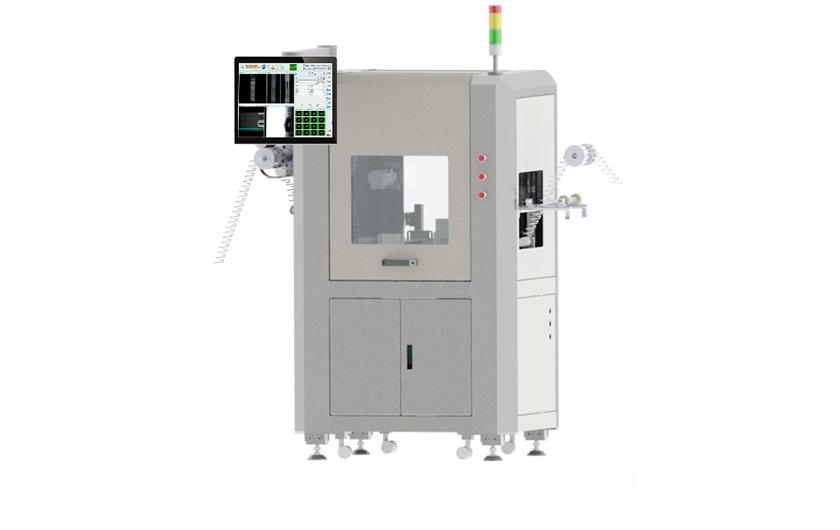
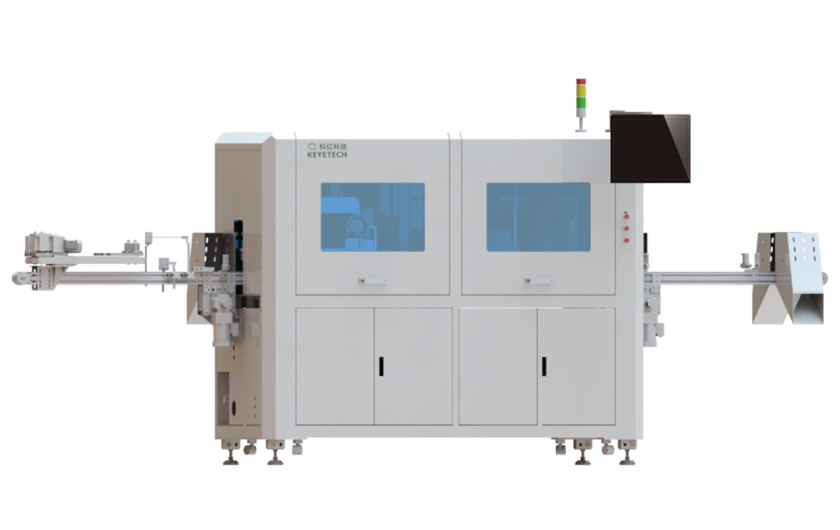
There are many AI visual inspection devices on the market, all of which use AI algorithms. What are the differences between them?
Date:2026-01-04 Views:56
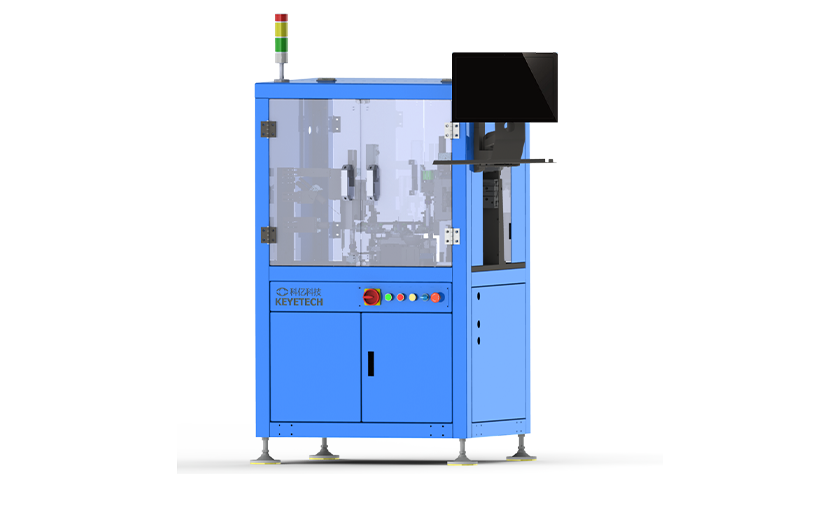
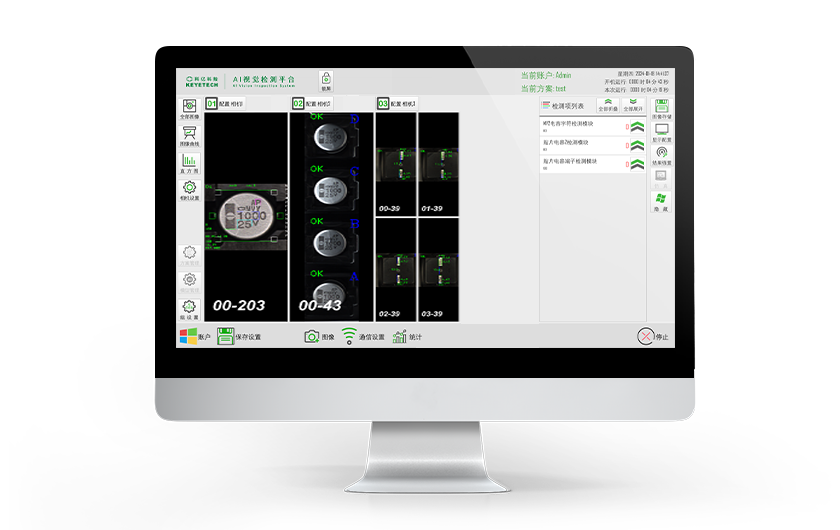
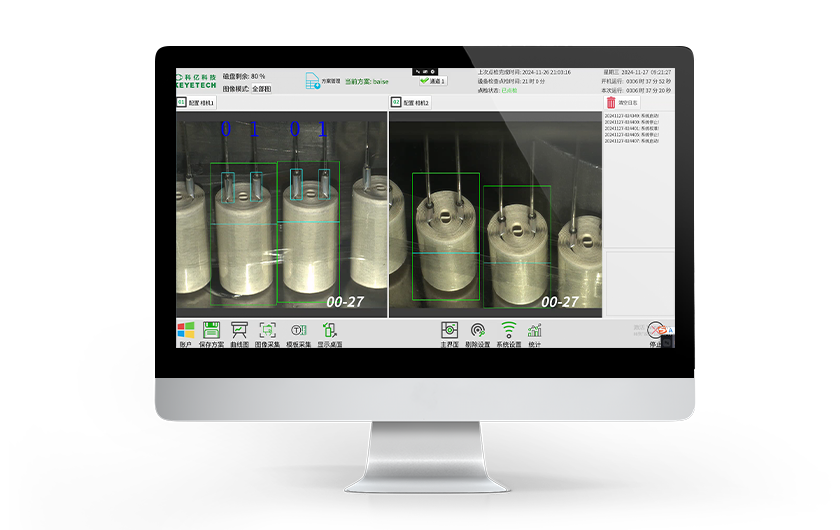
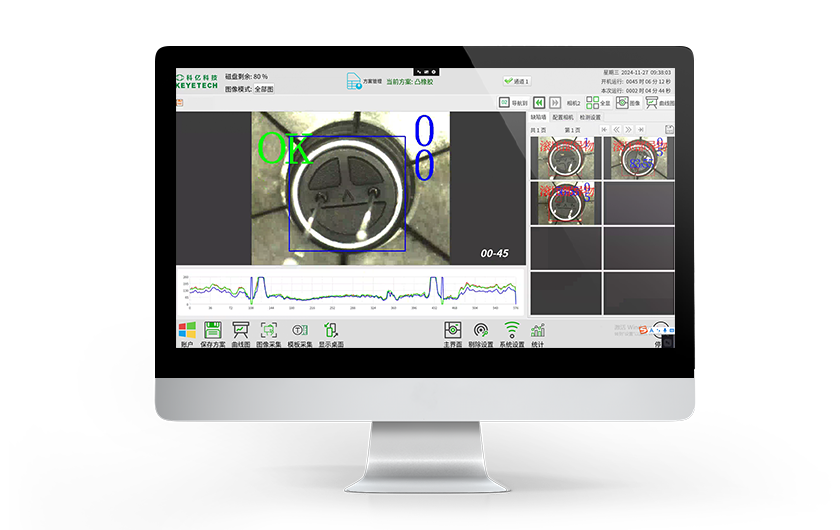
AI algorithms are the core of artificial intelligence technology, referring to a series of mathematical models, logical rules, and computational steps designed to enable computers to simulate human intelligent behavior. These algorithms allow systems to autonomously complete tasks such as perception, reasoning, decision-making, and learning without explicit programming instructions. Unlike the "passive execution" of traditional algorithms, Keye Technology's equipment uses self-developed deep learning AI algorithms based on artificial neural networks, capable of handling more complex and massive amounts of data. It can continuously improve its network model through comparison, learning, and training based on collected data, much like having an experienced master craftsman on the production line who becomes more skilled and accurate with each inspection, truly achieving a highly efficient "what you see is what you get" inspection effect. Furthermore, the self-developed algorithm is deeply integrated with Keye's self-developed cloud platform. All model training and data computation are completed in the cloud, without occupying on-site equipment resources, allowing the production line to simultaneously optimize the algorithm without stopping production. The cloud platform contains a massive number of pre-trained models, meeting the needs of various defect detection requirements in industrial scenarios. It is precisely because of this algorithm advantage of "self-developed core + cloud-enabled" that Keye Technology's intelligent inspection and sorting equipment can continuously respond to the diverse production needs of customers, make breakthroughs in inspection accuracy and efficiency, and truly help customers reduce costs, increase efficiency, and improve quality.